


Kidney Stones: Treatment Strategies and Pain Control Methods
Kidney stones are crystalline deposits that form in the renal system. They can vary in size from minute grains to stones large enough to obstruct the urinary tract. Composed mainly of calcium oxalate, uric acid, or struvite, kidney stones can trigger excruciating pain, hematuria, and potentially serious complications if left untreated. Early recognition and management are crucial to relieve pain, prevent renal damage, and ensure overall urinary tract health.
Etiology and Risk Factors
The formation of kidney stones is influenced by a complex interplay of factors. Dietary habits rich in sodium, protein, and oxalate contribute significantly, while insufficient fluid intake concentrates urine, favoring crystal aggregation.
Genetic predisposition also plays a key role. Individuals with a family history of kidney stones are more susceptible. Additionally, certain medical conditions—such as hyperparathyroidism, gout, and chronic urinary tract infections—heighten the risk. Sedentary lifestyle, obesity, and metabolic imbalances further exacerbate vulnerability to stone formation.
Recognizing Symptoms and Pain Patterns
The hallmark of kidney stones is renal colic—a sudden, intense, and intermittent pain typically originating in the flank and radiating to the lower abdomen or groin. This pain is often accompanied by nausea, vomiting, and diaphoresis, kidney stone.
Other common manifestations include hematuria, urinary urgency, frequency, and dysuria. The severity and location of pain correlate with the stone’s size and position in the urinary tract. Early identification of symptoms facilitates timely management and prevents complications such as obstruction or infection.
Pain Management Approaches
Managing the pain associated with kidney stones is a primary concern for both patients and clinicians. Nonsteroidal anti-inflammatory drugs (NSAIDs) are the first-line choice, reducing both pain and inflammation efficiently. In severe cases, short-term opioids may be employed under strict medical supervision.
Alpha-blockers such as tamsulosin relax ureteral smooth muscles, promoting stone passage and alleviating discomfort. Complementary strategies like heat therapy, gentle massage, and supportive positioning can provide additional relief. Adequate rest and hydration also play a pivotal role in minimizing pain intensity.
Treatment Strategies for Kidney Stones
Conservative management is often effective for small, uncomplicated stones. Hydration remains paramount, diluting urine to facilitate stone passage. Dietary modifications—including reduced sodium and oxalate intake and moderated animal protein consumption—support both treatment and prevention, causes and treatment .
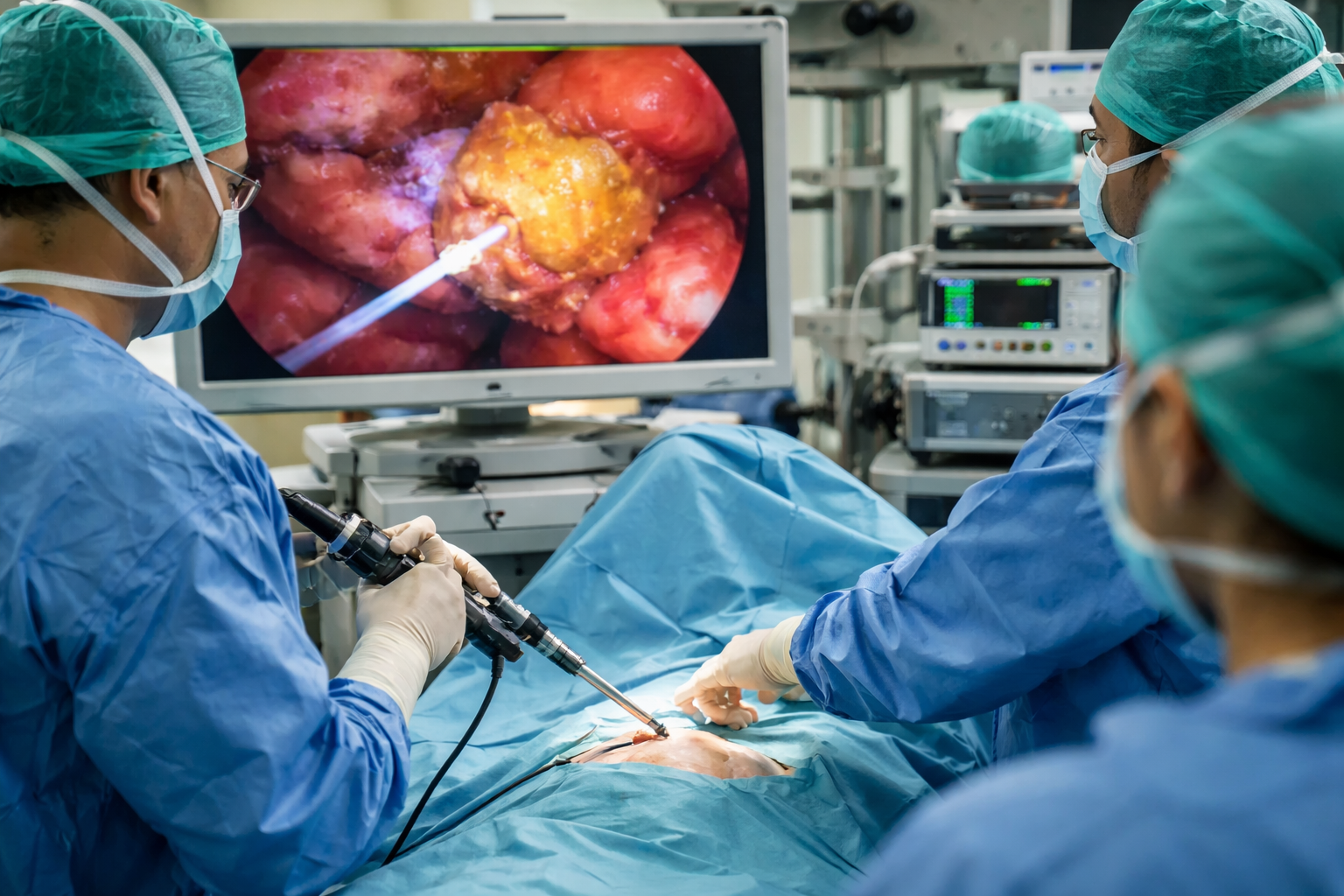
When stones fail to pass spontaneously or complications arise, medical and surgical interventions are necessary. Extracorporeal Shock Wave Lithotripsy (ESWL) utilizes sound waves to fragment stones, easing their expulsion. Ureteroscopy allows direct visualization and removal of stones, often aided by laser fragmentation. For larger or complex stones, Percutaneous Nephrolithotomy (PCNL) provides a minimally invasive surgical approach, enabling complete extraction with reduced morbidity.
Preventive Measures and Long-Term Care
Preventing recurrence is central to kidney stone management. Sustained hydration, balanced diet, and regular physical activity reduce the risk of future stones. Metabolic evaluations, including urine and blood tests, help identify underlying abnormalities and guide targeted preventive therapies, such as citrate supplementation or thiazide diuretics.
Education and adherence to preventive strategies, coupled with regular follow-up imaging, ensure early detection of new stones and promote long-term urinary tract health.



Leave a Reply