


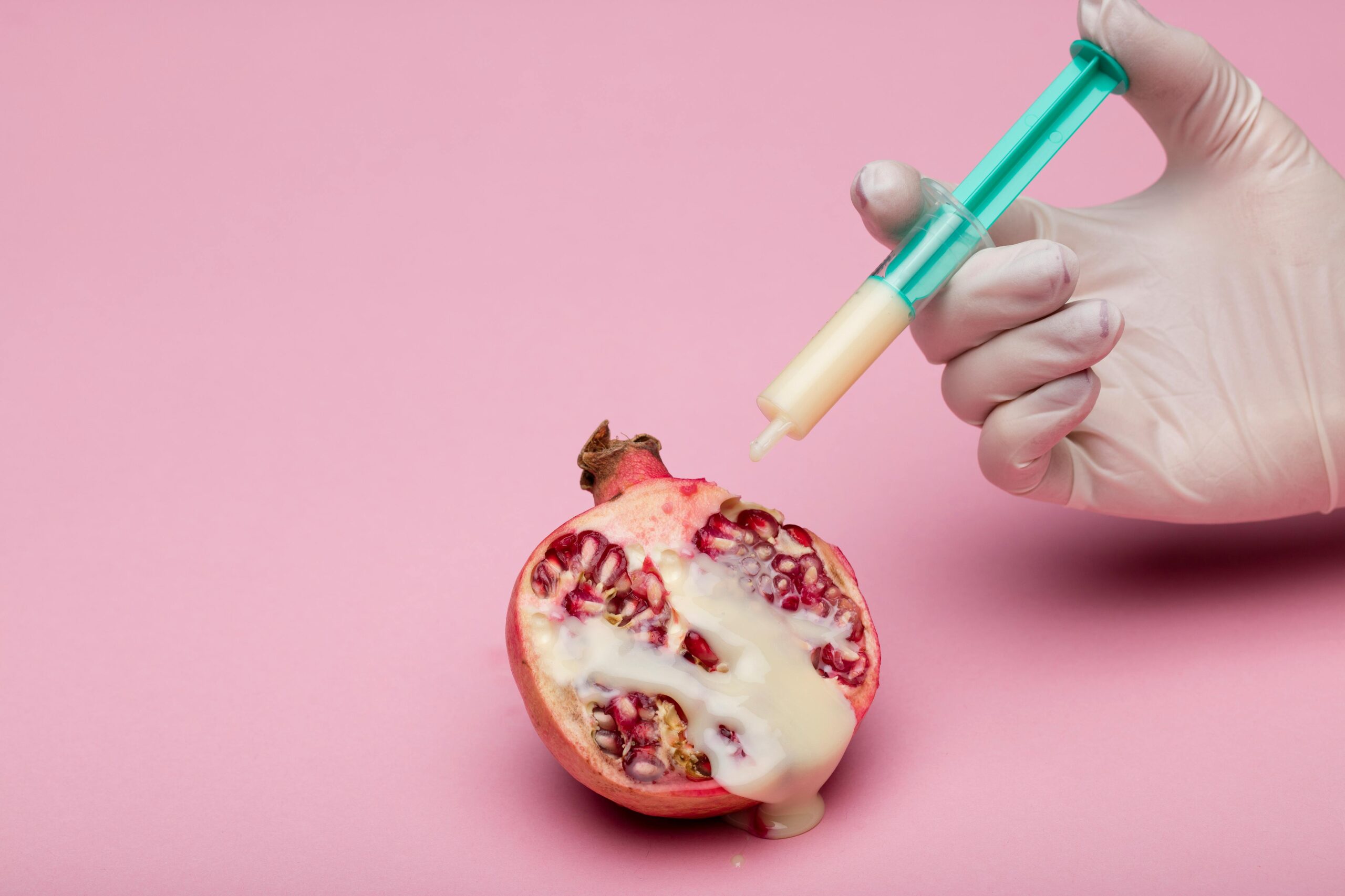
A spermatocele is a prevalent, non-malignant (benign) cyst that forms in the epididymis, which is the small, coiled structure positioned behind the testicle that holds and transports sperm. Typically, spermatoceles are painless and contain a milky or clear fluid that might include sperm.
In most cases, spermatoceles are benign and do not need treatment unless they lead to discomfort or increase in size.
What Is a Spermatocele?
Referred to as an epididymal cyst, a spermatocele arises when fluid gathers in a blocked duct within the epididymis. These cysts are generally small but can gradually enlarge over time.
They have the following characteristics:
- Non-cancerous
- Generally painless
- Frequently found in adult males
- Often found by chance
Typically, spermatoceles do not impact fertility, although very large cysts may cause discomfort in some rare instances.
Symptoms of Spermatocele
Many men who have a spermatocele do not exhibit symptoms. However, symptoms that may arise include:
1. A Painless Lump
A small, smooth mass located at the top or rear of the testicle.
2. Mild Discomfort
A sensation of heaviness or pressure in the scrotum area.
3. Swelling in the Scrotum
Should the cyst enlarge, it may lead to noticeable swelling.
4. Rare Dull Pain
In uncommon scenarios, a significant spermatocele might result in mild discomfort or pain.
⚠️ Important: Any new growth in the testicle should be assessed by a physician to exclude serious issues such as testicular cancer.
Causes of Spermatocele
- The precise origin is not always apparent, but potential causes include:
- Blockage within the epididymal ducts
- Trauma to the scrotum
- Infection or inflammation
- Age-related changes
- There is no compelling evidence connecting spermatoceles to cancer.
How Is Spermatocele Diagnosed?
Healthcare providers typically identify a spermatocele by:
Physical Examination
The physician palpates the scrotum to identify lumps or swelling.
Transillumination Test
Light is directed through the scrotum to determine if the lump is filled with fluid.
Scrotal Ultrasound
This imaging procedure helps confirm whether the lump is a cyst or a more serious condition.
Treatment Options for Spermatocele
1. Observation (No Treatment)
When a spermatocele is small and does not cause pain, treatment is unnecessary. Physicians may simply keep an eye on it during routine examinations.
This is the most frequently utilized strategy.
2. Managing Pain
- If there is mild discomfort, management may involve:
- Over-the-counter analgesics
- Wearing supportive undergarments
- Avoiding strenuous activities
3. Surgical Removal (Spermatocelectomy)
- If the cyst enlarges or causes pain, a procedure known as spermatocelectomy might be suggested.
- During this operation:
- The cyst is excised surgically
- It is typically performed on an outpatient basis
- Recovery generally takes a few weeks
- Risks may include:
- Infection
- Possible recurrence of the cyst
- Uncommon fertility issues
4. Aspiration (Rarely Suggested)
- A needle may be used to drain the fluid, though this method is not often recommended due to:
- The likelihood of the cyst reappearing
- Potential damage to the epididymis
When Should You Consult a Doctor?
- Obtain medical assistance if you observe:
- A new lump in the testicular area
- Sudden onset of pain
- Swelling that occurs quickly
- Signs of redness or fever
- Prompt assessment guarantees accurate diagnosis and reassurance.
Can Spermatocele Influence Fertility?
Generally, spermatoceles do not impact fertility. However, surgical intervention carries a minor risk of harming the epididymis, which could hinder sperm transport.
Men who are worried about fertility should discuss potential risks with their physician prior to undergoing surgery.
Prevention
- There is no foolproof method to avert spermatoceles. Nevertheless:
- Conduct regular self–examinations of the testicles
- Seek medical attention for testicular injuries
- Address infections promptly
Conclusion
A spermatocele is a common, non-cancerous cyst that arises in the epididymis. Most instances are painless and do not require any intervention. In cases where symptoms like pain or swelling arise, treatment alternatives involve pain management or surgical intervention.
If you detect any lump in your testicle, it is advisable to consult a medical professional for accurate evaluation and diagnosis.



Leave a Reply