



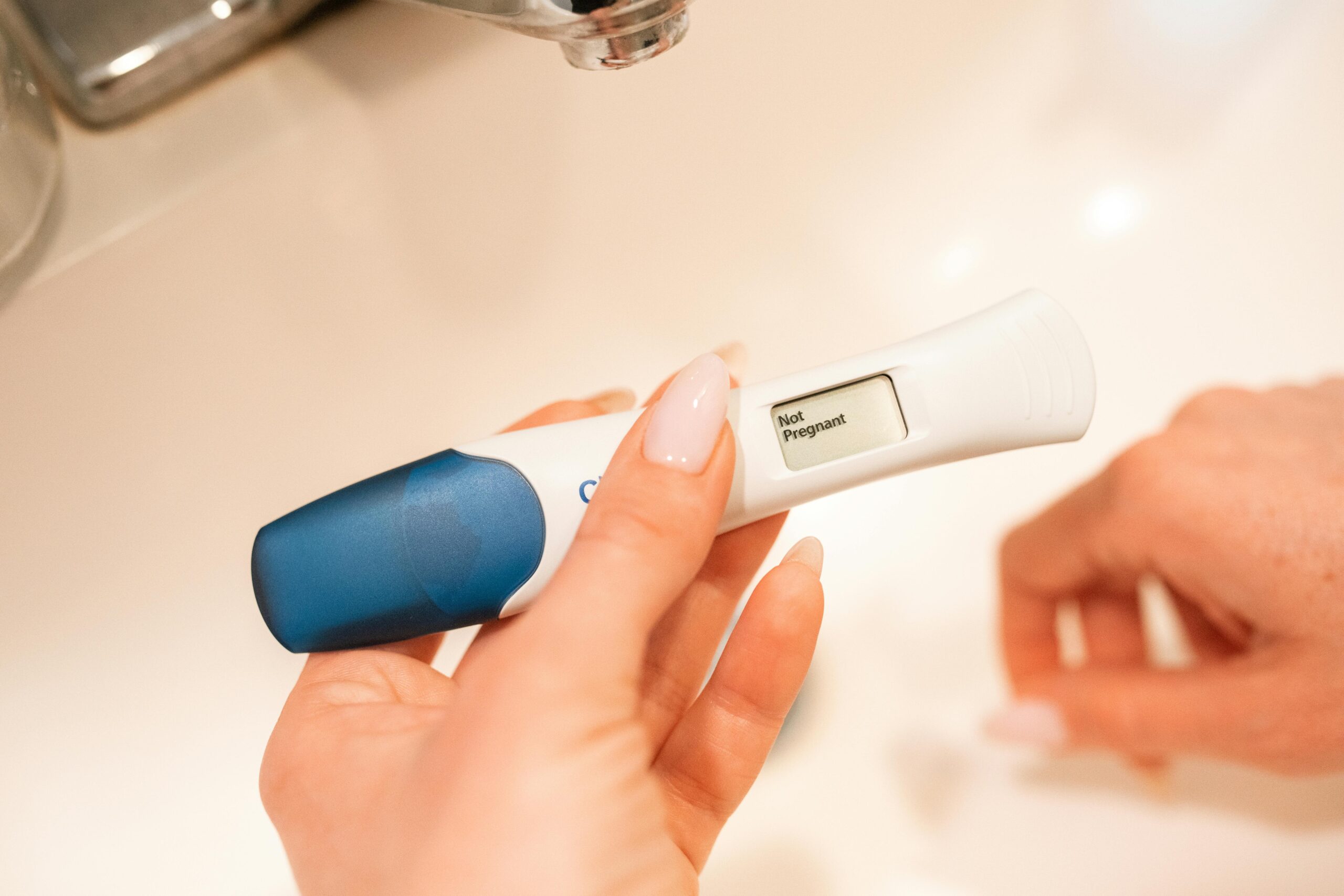
Pregnancy tests are specifically designed to identify a hormone known as human chorionic gonadotropin (hCG), which is produced during pregnancy. Typically, the detection of this hormone results in a positive pregnancy test. Nevertheless, some women may question whether carrying twins could lead to a false negative pregnancy test.
While it is rare, there are certain circumstances in which a twin pregnancy might influence pregnancy test outcomes and potentially result in a false negative.
How Pregnancy Tests Function
Home pregnancy tests operate by identifying the hormone hCG in urine. This hormone begins to rise after a fertilized egg implants itself in the uterus.
During early pregnancy, hCG levels generally double every two to three days. Once the level reaches a sufficient height, it can be detected by a home pregnancy test, yielding a positive result.
In the case of twin pregnancies, the body usually produces elevated levels of hCG due to the development of two embryos instead of one.
Can Twins Lead to a False Negative Pregnancy Test?
In most instances, twin pregnancies actually result in increased hCG levels, which should prompt pregnancy tests to yield positive results sooner rather than negative ones. However, in rare instances, excessively high hCG levels can interfere with the test, leading to a false negative outcome.
This phenomenon is referred to as the hook effect.
The Hook Effect
The hook effect arises when hCG levels become exceedingly high, overwhelming the antibodies utilized in certain pregnancy tests. Instead of indicating a positive result, the test may erroneously display a negative result.
Although the hook effect is uncommon, it can occur in:
- Twin or multiple pregnancies
- Specific medical conditions associated with very high hCG levels
- Testing later in pregnancy when hormone levels are significantly elevated
Due to this effect, some pregnancy tests may fail to accurately detect hCG even when pregnancy is confirmed.
Other Factors Leading to a False Negative Pregnancy Test
Even if an individual is pregnant with twins, there are several more prevalent reasons that could cause a pregnancy test to yield a false negative result.
Testing Too Early
Taking a pregnancy test too soon, before sufficient hCG has accumulated in the body, is a prevalent cause of false negative results.
Diluted Urine
Consuming excessive amounts of water prior to testing can dilute the urine, thereby decreasing the concentration of hCG.
Incorrect Test Usage
Failing to adhere to the instructions provided with the pregnancy test may compromise the accuracy of the results.
Expired or Faulty Test
Utilizing an expired or malfunctioning test can also result in inaccurate outcomes.
Signs That May Suggest a Twin Pregnancy
Certain symptoms may be more pronounced in twin pregnancies due to elevated hormone levels. These symptoms may include:
- Severe morning sickness
- Rapid weight gain during early pregnancy
- Extreme fatigue
- Elevated hCG levels in blood tests
- Larger uterine size than anticipated
Nevertheless, these symptoms alone cannot definitively indicate a twin pregnancy.
How Twin Pregnancy Is Confirmed
The most dependable method for confirming a twin pregnancy is through a medical ultrasound. Ultrasound imaging enables healthcare providers to visualize the developing embryos and ascertain whether one or more babies are present.
Blood tests that measure hCG levels may also offer insights, but ultrasound remains the most precise technique.
When to Take Another Pregnancy Test
If a pregnancy test yields a negative result but pregnancy symptoms persist, it may be advisable to:
- Wait a few days and retest
- Utilize the first urine of the morning
- Consult a healthcare professional for a blood test or ultrasound
These measures can assist in confirming the presence of pregnancy.
Conclusion
Twin pregnancies typically result in elevated hCG levels, which should lead to positive pregnancy tests. However, in rare instances, extremely high hormone levels can result in a testing anomaly known as the hook effect, which may cause a false negative pregnancy test.

Leave a Reply