



Many new mothers aspire to maintain healthy, radiant skin following childbirth. A common inquiry arises: is it safe to use retinol while breastfeeding? Retinol is a potent anti-aging and acne treatment ingredient, yet it raises concerns during pregnancy and lactation. Gaining insight into its safety, functionality, and available alternatives can assist breastfeeding mothers in making informed choices.
What Is Retinol and Its Uses?
Before addressing the question of retinol use during breastfeeding, it is essential to comprehend its functions. Retinol, a derivative of vitamin A, is widely incorporated into skincare products for several reasons:
Key Benefits of Retinol:
- Stimulates collagen production
- Diminishes wrinkles and fine lines
- Accelerates skin cell turnover
- Enhances overall skin texture and tone
- Fades acne scars, particularly beneficial for post-acne hyperpigmentation
- Unclogs pores, making it effective for acne treatment
- Brightens dull skin, enhancing radiance and reducing dark spots
- Mitigates early signs of aging, promoting a youthful appearance
While retinol is highly effective, its potency raises safety concerns for many breastfeeding mothers.
Is Retinol Safe to Use While Breastfeeding?
The most frequently asked question is whether retinol can be used during breastfeeding.
Concise Answer:
Topical retinol is generally not advised for breastfeeding mothers, despite a lower risk compared to pregnancy.
Reasons:
Retinol (as a vitamin A derivative) can be absorbed through the skin. Although the quantities are minimal, some absorption does occur. Given that excessive vitamin A can lead to toxicity, many dermatologists and pediatric professionals recommend avoiding retinol during breastfeeding to mitigate any potential risk to the infant.
Potential Risks:
- Minimal absorption may enter the bloodstream
- Low levels could theoretically pass into breast milk
- Infants are particularly sensitive to high vitamin A levels
- Skin irritation may occur, leading to redness and peeling, which could irritate the baby upon contact
Due to these risks, healthcare professionals often suggest opting for safer alternatives.
When Might Retinol Be Considered Acceptable?
While the consensus is generally to avoid retinol, some dermatologists argue that very low concentrations applied to areas distant from the chest may carry minimal risk. However, it is crucial to adhere to the following guidelines:
- Never apply it to the breast area
- Avoid usage immediately before holding or feeding the baby
- Refrain from using potent formulations such as tretinoin or retinoic acid
Ultimately, the safest and most prudent course of action is to avoid retinol during breastfeeding unless explicitly approved by a dermatologist.
Reasons for Caution Regarding Retinol Use in Breastfeeding
To clarify the safety concerns, here is how retinol functions:
- Conversion to Retinoic Acid: Retinol transforms into retinoic acid, which circulates in the body and may reach breast milk in trace amounts.
- Sensitivity of Infant Skin: Contact with retinol can lead to redness, irritation, or dry patches on an infant’s skin, even from minimal residue on the mother’s skin.
- Higher Penetration of Stronger Retinoids: Prescription retinoids, such as tretinoin, adapalene, tazarotene, and isotretinoin (oral), are unequivocally unsafe for breastfeeding women.
In response to inquiries about prescription-strength retinoids, the answer is a definitive NO.
Safe Alternatives to Retinol During Breastfeeding
Given the recommendation to avoid retinol while breastfeeding, the next step is selecting safer products. Here are effective alternatives:
- Bakuchiol: A natural retinol alternative that offers anti-aging and anti-acne benefits, deemed safe during breastfeeding and gentle for sensitive skin.
- Vitamin C Serums: Brighten the skin, reduce dark spots, and protect against environmental damage; safe for breastfeeding mothers.
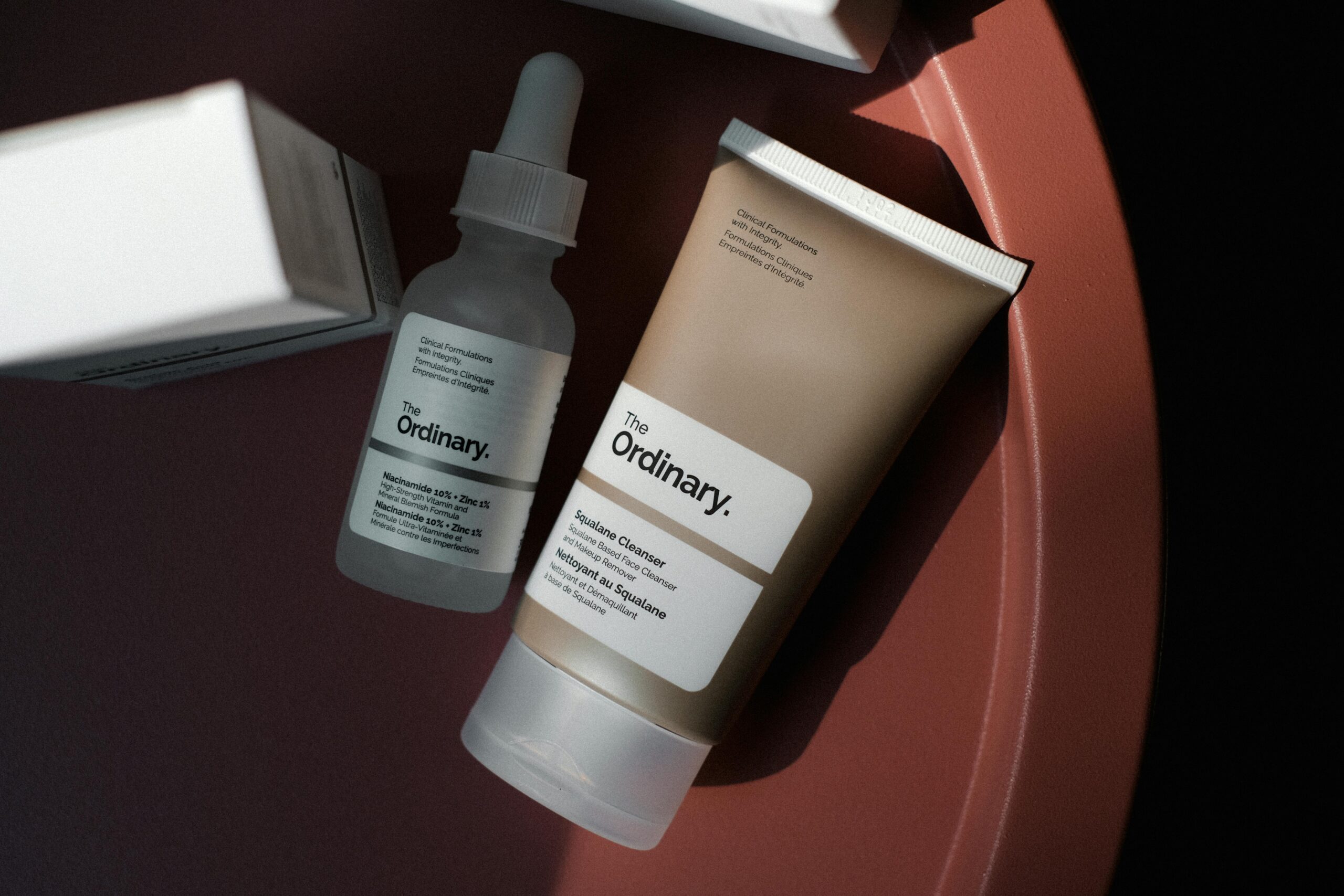
- Niacinamide: Reduces redness, calms inflammation, and fades dark spots; suitable for all skin types.
- AHAs and BHAs (mild concentrations): Such as glycolic acid, lactic acid, and low-strength salicylic acid, which exfoliate and enhance skin texture without the associated risks of retinol.
- Hyaluronic Acid: Provides deep hydration and improves skin elasticity; safe for daily use.
Maintaining Healthy Skin While Breastfeeding Without Retinol
If retinol is not advisable, consider the following practical steps to keep your skin glowing:
- Adopt a Simple Skincare Routine: Utilize gentle cleansers, moisturizers, and sunscreen for safe and effective care.
- Apply Sunscreen Daily: SPF is critical for anti-aging, particularly when retinol is not an option.
- Follow a Healthy Diet and Stay Hydrated: This enhances natural glow and supports skin healing.
- Consider Postpartum-Friendly Facials: Non-chemical facials are safe for breastfeeding mothers.
- Avoid Harsh Peels: Strong chemical peels should also be refrained from, as they act similarly to retinol.
When to Consult a Dermatologist
If skin concerns are significant and you are still questioning the use of retinol while breastfeeding, seek a dermatologist’s advice if you experience:
- Severe acne
- Pronounced hyperpigmentation
- Hormonal melasma
- Premature wrinkles
In some cases, a healthcare provider may approve specific low-strength options based on individual medical history.
Final Conclusion: Can You Use Retinol While Breastfeeding?
The safest recommendation is to avoid retinol while breastfeeding, unless explicitly approved by a dermatologist. While small amounts may not pose significant harm, the potential risks—particularly regarding vitamin A absorption and irritation—render it a less advisable choice.
Leave a Reply