



Food poisoning is a prevalent illness that arises from the consumption of contaminated food or the intake of tainted water.
It can impact anyone and typically manifests abruptly.
While the majority of cases are mild and resolve within a few days, some instances can escalate to serious conditions that necessitate medical intervention.
Gaining insight into the symptoms, causes, and available treatment options can facilitate a swift recovery and help avert complications.
What Is Food Poisoning?
Food poisoning takes place when food or drinks are tainted with harmful bacteria, viruses, parasites, or toxins.
These detrimental organisms proliferate in food that is improperly stored, handled, or cooked.
Common microorganisms responsible include:
- Salmonella
- E. coli
- Listeria
- Norovirus
- Campylobacter
Symptoms of Food Poisoning
Symptoms may manifest within a few hours or even days following the consumption of contaminated food.
They differ based on the underlying cause but typically encompass the following:
- Nausea and Vomiting
Experiencing nausea and vomiting are among the initial indicators.
- Diarrhea
Loose or watery stools are quite prevalent.
In certain instances, diarrhea may be accompanied by blood.
- Abdominal Cramps
Intense stomach pain or cramping is frequently reported.
- Fever
A mild to moderate fever may arise as the body combats the infection.
- Weakness and Fatigue
Dehydration and illness can lead to feelings of tiredness.
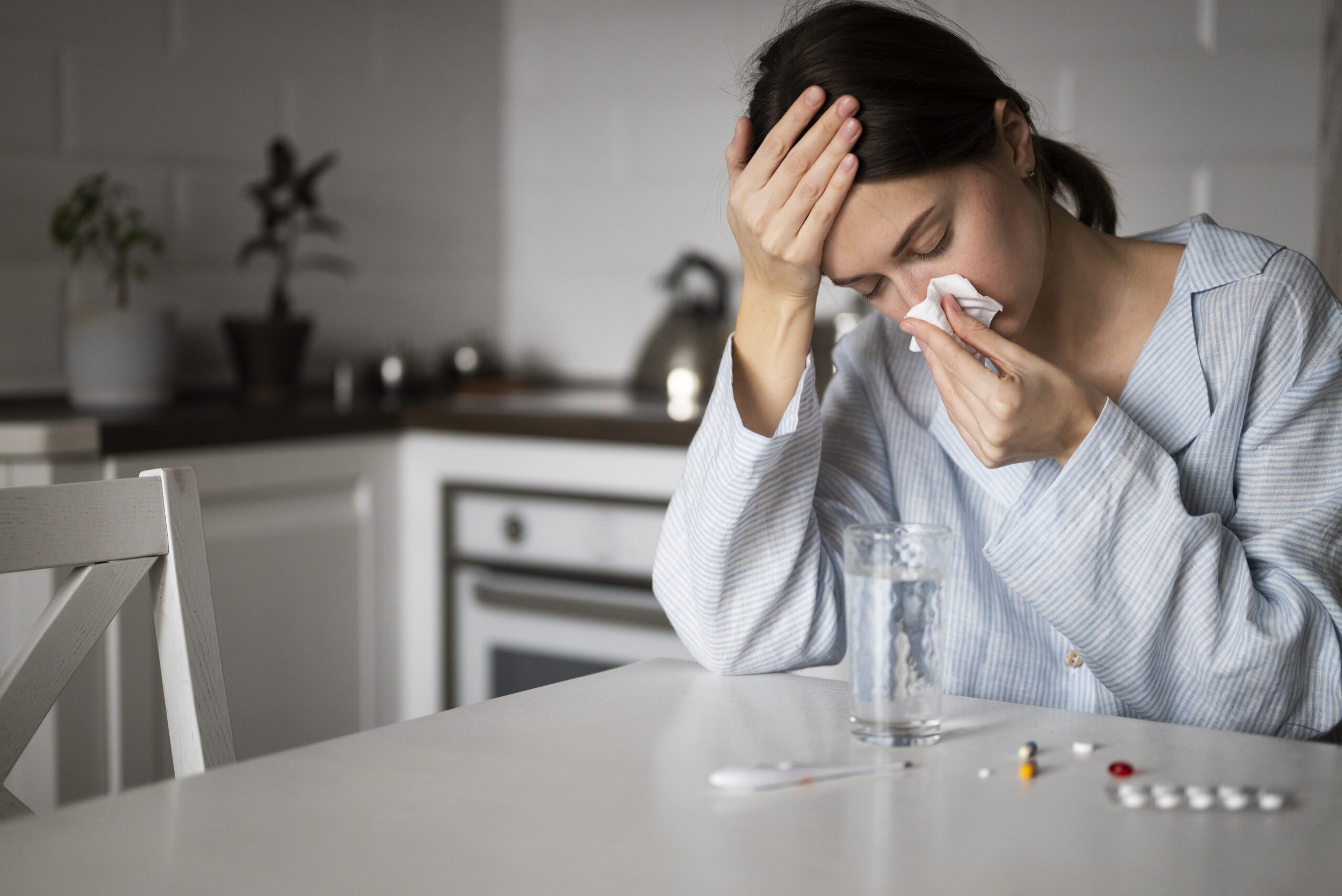
- Headache
Some individuals may suffer from headaches in conjunction with other symptoms.
Most symptoms persist for a duration ranging from a few hours to several days.
Causes of Food Poisoning
Food poisoning occurs when food becomes contaminated due to:
- Improper Food Handling
Failing to wash hands prior to meal preparation.
- Undercooked Meat or Seafood
Particularly poultry, eggs, and shellfish.
- Cross-Contamination
Utilizing the same cutting board for raw meat and vegetables.
- Improper Storage
Allowing food to remain at room temperature for excessive periods.
- Contaminated Water
Consuming unsafe water can also lead to infection.
Who Is at Higher Risk?
Certain individuals are more susceptible to severe food poisoning, including:
- Young children
- Elderly adults
- Pregnant women
- Individuals with compromised immune systems
These persons should seek medical consultation promptly if symptoms arise.
Treatment for Food Poisoning
The treatment approach is contingent upon the severity of symptoms.
- Stay Hydrated
The foremost step is to prevent dehydration.
Consume:
- Water
- Oral rehydration solutions
- Clear broths
- Electrolyte beverages
Refrain from alcohol, caffeine, and sugary drinks.
- Rest
Permit your body adequate time to recuperate by ensuring sufficient rest.
- Eat light foods.
Once vomiting subsides, begin with bland foods such as:
- Rice
- Toast
- Bananas
- Applesauce
Avoid spicy, fatty, or dairy-rich foods until complete recovery.
- Medications
Over-the-counter anti-diarrheal medications may be beneficial in mild instances.
Antibiotics are reserved for specific bacterial infections and must be prescribed by a healthcare professional.
Avoid self-medication without professional guidance.
When to See a Doctor
Seek urgent medical care if you experience:
- High fever (exceeding 101.5°F or 38.5°C)
- Blood in stool
- Severe dehydration (dry mouth, dizziness, reduced urine output)
- Persistent vomiting
- Symptoms lasting beyond 3 days
Severe dehydration can pose significant risks and may necessitate hospital treatment.
How to Prevent Food Poisoning
Prevention is essential. Adhere to these straightforward measures:
Wash hands prior to cooking and eating
- Cook meat thoroughly
- Keep raw and cooked foods separate
- Refrigerate leftovers promptly
- Wash fruits and vegetables thoroughly
- Consume clean, safe water
Maintain proper hygiene.


Leave a Reply