


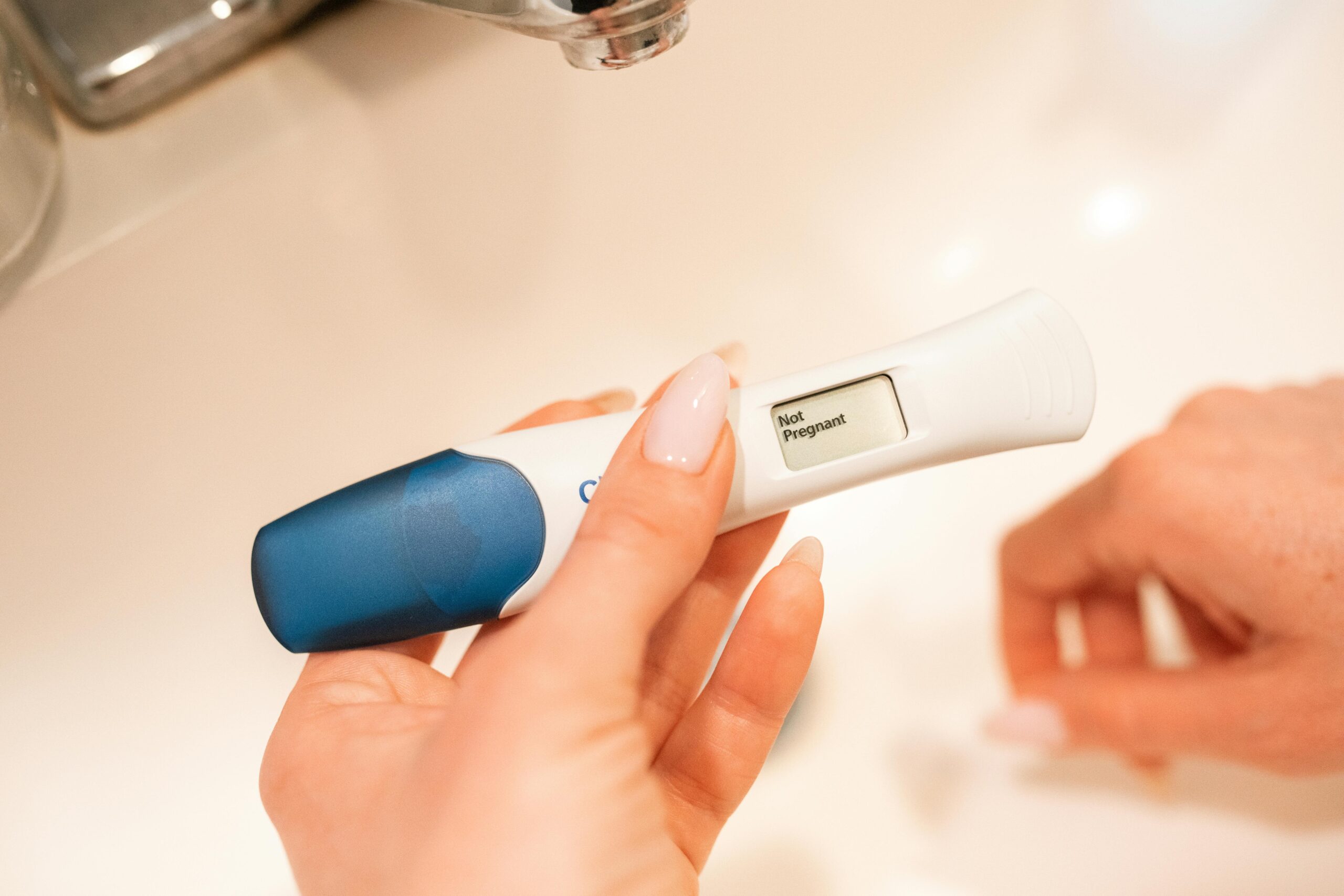
A negative pregnancy test indicates that the test did not identify the hormone linked to pregnancy within the body.
Pregnancy tests are specifically designed to detect human chorionic gonadotropin (hCG), a hormone that is produced during pregnancy. A negative result typically suggests that an individual is not pregnant. Nevertheless, there are instances where the test may be conducted prematurely or other factors could influence the accuracy of the outcome.
Comprehending the implications of a negative pregnancy test and the potential reasons for it can assist individuals in making informed choices regarding their reproductive health.
How Pregnancy Tests Function
Pregnancy tests operate by identifying the presence of the hormone hCG in either urine or blood. This hormone starts to rise shortly after a fertilized egg attaches to the uterine lining.
Home pregnancy tests generally utilize a urine sample and can yield results within a few minutes. If the hormone is present, the test will display a positive result. Conversely, if hCG is not detected, the result will be negative.
What Does a Negative Pregnancy Test Indicate?
A negative pregnancy test generally signifies that the individual is not pregnant. However, there are circumstances in which a person may still be pregnant despite a negative test result. This situation can arise if the test is performed too early, before sufficient hCG has accumulated in the body.
For optimal accuracy, it is often advised to take pregnancy tests after a missed period.
Common Causes of a Negative Pregnancy Test
Testing Prematurely
One prevalent reason for a negative pregnancy test is conducting the test too early. If implantation has not yet taken place or hCG levels remain very low, the test may fail to detect the hormone.
Diluted Urine
Consuming excessive amounts of water prior to taking a pregnancy test can dilute the urine, potentially lowering the concentration of hCG and resulting in a negative outcome.
Irregular Menstrual Cycle
Individuals with irregular menstrual cycles may misjudge the timing of ovulation or their anticipated period, which can lead them to test too early.
Faulty or Expired Test
Utilizing a pregnancy test that is either expired or defective can compromise the reliability of the results. It is crucial to verify the expiration date prior to administering the test.
Medical Conditions
In uncommon instances, specific medical conditions or medications may alter hormone levels, thereby affecting the outcome of a pregnancy test.
Symptoms That May Still Suggest Pregnancy
Occasionally, an individual may exhibit early signs of pregnancy despite receiving a negative test result. These signs may encompass:
- Missed period
- Nausea or vomiting
- Breast tenderness
- Fatigue
- Frequent urination
Should these symptoms persist, it may be beneficial to retest after a few days or seek advice from a healthcare professional.
When to Take Another Pregnancy Test
If a pregnancy test yields a negative result but pregnancy is still suspected, it is advisable to wait between 3 to 7 days before retesting. The levels of hCG typically double every few days during early pregnancy, which can enhance the accuracy of the test at a later time.
Employing the first urine of the morning can also improve the test’s accuracy, as the concentration of the hormone is generally higher at that time.
When to See a Doctor
Medical consultation should be sought if:
Periods are consistently missed while tests remain negative
Pregnancy symptoms persist
There is unusual pain or abnormal bleeding
A healthcare provider may conduct a blood test or ultrasound to verify pregnancy or identify other potential causes.


Leave a Reply