



I. The Importance of Urologic Care in Fort Worth
A. Recognizing Urology’s Scope
Urology is a highly specialized area of medicine that focuses on the male reproductive system and the urinary tract in both men and women. It includes the bladder, urethra, ureters, kidneys, and related tissues. Together, these organs control fluid balance, get rid of waste products from metabolism, and keep the body in balance.
The symptoms of dysfunction might vary from little annoyance to serious medical emergency. Hematuria, persistent pain in the pelvis, and recurring infections. Each deserves careful consideration. A skilled Fort Worth urologist treats these ailments with both therapeutic savvy and accurate diagnosis.
Additionally, the specialty connects the fields of medicine and surgery. When required, it incorporates behavioral therapies, pharmaceutical management, and surgical techniques. This broad scope guarantees that patients receive treatment that is appropriate for the severity of their illness.
B. The Significance of Specialized Urologic Knowledge
The symptoms of urologic illnesses frequently overlap. Urology provides urologic care to patients in the Fort Worth, TX, area. A more subtle illness may be hidden beneath what seems to be a straightforward UTI. Knowledge is important. The entire course of treatment can be changed by subtle clinical differences.
A committed urologist has received substantial training in both cutting-edge surgical methods and conservative care. Making complex decisions is made easier by this dual skill. It makes it possible to exercise wise restraint when necessary and cautious intervention when necessary.
Furthermore, general health and urologic health are closely related. Intimate relationships, everyday functioning, and mental health can all be impacted by conditions that impair the reproductive or urinary systems. In addition to restoring physiological equilibrium, specialized care also boosts self-esteem and quality of life.
II. Conditions Commonly Treated by a Urologist in Fort Worth
A. Cancer Screening and Prostate Disorders
The importance of prostate health increases with age. The symptoms of benign prostatic hyperplasia (BPH) include nocturia, a weak stream, and urinary difficulty. The quality of sleep and everyday productivity may be gradually compromised by these symptoms.
The early detection of prostate cancer is greatly aided by routine screening, which includes digital exams and PSA testing. Treatment plans are customized once cancer has been detected. Dr. Michael G. Waters is a board-certified urologist in Fort Worth. Radiation therapy, minimally invasive surgery, and active surveillance are possible options.
The goal goes beyond preventing sickness. When feasible, it involves maintaining sexual function and urine continence. The best results are guaranteed by balanced, evidence-based management.
B. Conditions of the Urinary Tract and Kidney Stones
It is well known that kidney stones can appear suddenly and painfully. There may be constant agony. It needs to be assessed right away.
Advanced imaging is frequently used in diagnosis to ascertain the size and anatomical placement of the stone. Treatment options include ureteroscopy, extracorporeal shock wave lithotripsy, and medicinal expulsive therapy. Percutaneous nephrolithotomy offers a less invasive yet very successful option for complicated patients.
Prevention is just as crucial. Recurrence is decreased by metabolic assessment, hydration counseling, and dietary changes. A reactive response becomes a proactive protection with long-term management.
C. Incontinence and Dysfunctional Bladder
Bladder problems can be emotionally and socially taxing. Incontinence, urgency, and frequency of urination interfere with routines and undermine confidence. However, these ailments are curable.
To determine the underlying causes, urodynamic investigations and cystoscopic examination may be part of a comprehensive review. Treatment options include neuromodulation, surgical correction, medication, and pelvic floor rehabilitation.
Autonomy is restored when bladder control is restored. The quality of life can be greatly improved by even small changes.
D. Hormonal imbalances and men’s health
Urology and men’s health issues often overlap. Infertility, testosterone insufficiency, and erectile dysfunction are common problems that need to be carefully evaluated.
Laboratory tests, vascular assessment, and a detailed review of medical history are frequently included in diagnostic methods. Hormone replacement therapy, oral drugs, and customized procedures are examples of treatment approaches.
It takes tact and discernment to deal with these conditions. Both psychological and physical vigor are enhanced by effective treatment.
III. Advanced Diagnostic and Treatment Approaches
A. Robotic and Minimally Invasive Surgery
Urologic surgery has changed significantly in the modern era. Minimally invasive methods speed up healing and lessen surgical trauma. Robotic-assisted technologies improve visualization and enable highly precise, polished surgical movements.
Smaller cuts, less blood loss, shorter hospital stays. Together, these benefits enhance patient outcomes.
Innovation and surgical expertise come together to create such technological improvements. They reshape the possibilities for modern urologic care.
B. Accurate Imaging and Diagnostic Technologies
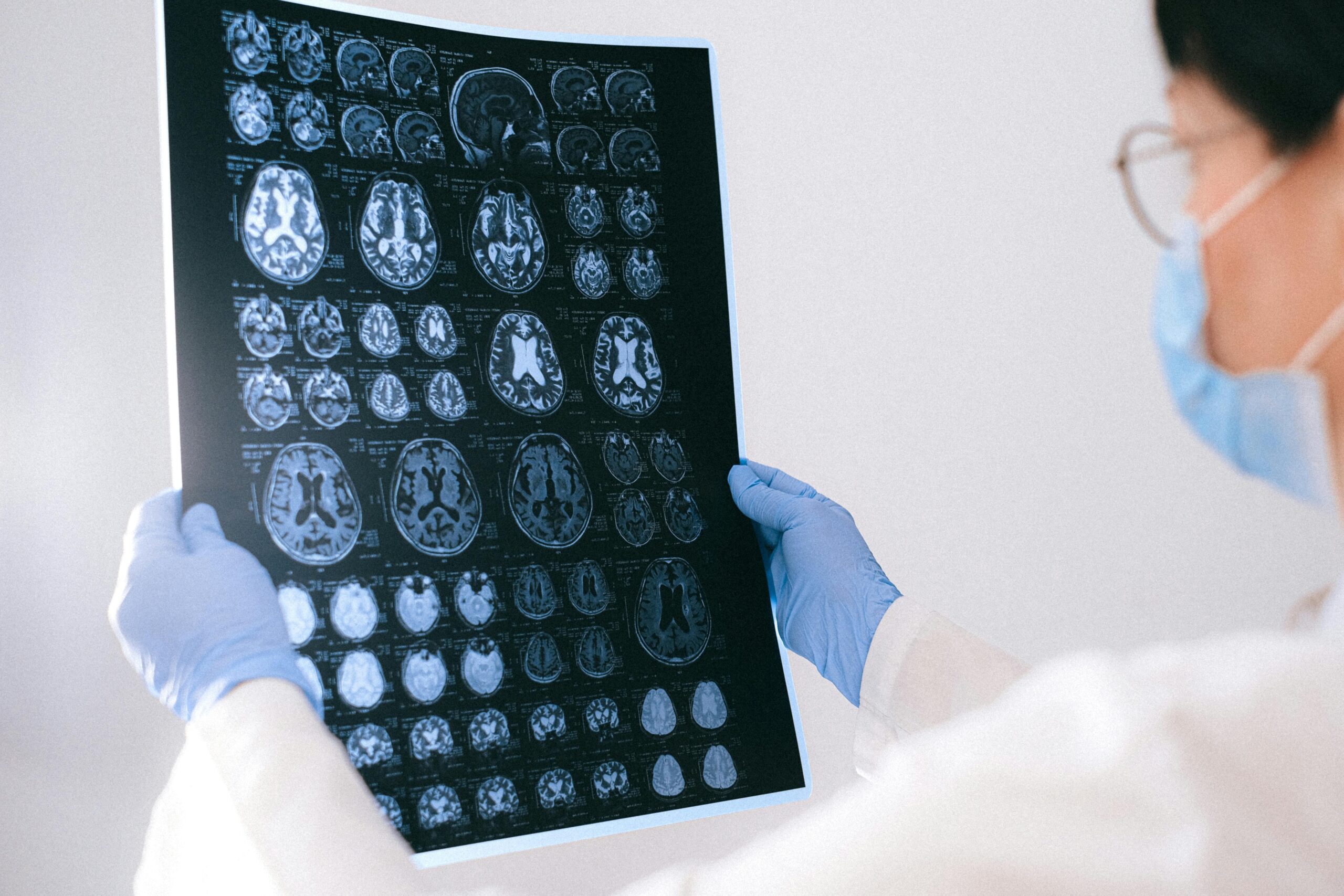
The foundation of a successful course of treatment is an accurate diagnosis. Early diagnosis of structural problems is made possible by high-resolution imaging modalities, including MRI, CT scans, and ultrasound.
Clinical decision-making is further refined by laboratory tests. Important information on the etiology of disease is provided by metabolic tests, pathology evaluations, and biomarker research.
Treatment becomes more focused if the diagnosis is clear. Accuracy increases effectiveness and reduces needless intervention.
IV. Choosing the Right Urologist in Fort Worth
A. Qualifications, Background, and Patient Confidence
When choosing a urologist, great thought must be given. The fundamental markers of competency are clinical experience, specialized training, and board certification.
Equally vital is patient trust. Long-lasting therapy partnerships are fostered by ethical practice and transparent communication. It is important for patients to feel heard. They ought to feel valued.
A respectable urologist blends technical mastery with real sensitivity. Exemplary care is defined by this balance.
B. Long-Term Care and Tailored Treatment Plans
No two patients have the same health objectives or medical backgrounds. Personalized treatment planning is therefore required.
Evidence-based recommendations, patient preferences, and diagnostic results are all integrated into a holistic care plan. Follow-up consultations track developments and guarantee that interventions continue to be successful. When needed, adjustments are performed.
Long-term care results in long-term health. Patients in Fort Worth who have access to qualified urologic knowledge are better equipped to handle issues quickly, appropriately manage long-term conditions, and confidently pursue optimal well-being.
Additional urologists with local listings:
- Dr. David Shepherd, MD – Highly rated urologist in Fort Worth.
- Dr. Todd Everett Young, DO – Urology specialist.
- Dr. Mark Alan McCurdy, MD, is a urology provider with experience.
- Dr. Kris Eugene Gaston, MD—a well-reviewed urologist.
- Dr. Robert George Stroud, DO – Long-standing provider.
- Dr. Robert Parham, MD – Known for surgical expertise.
- Dr. Mashrin Lira Chowdhury, DO – Highly regarded provider.
- Dr. Matthew Christman, MD – Pediatric urology
If you want, I can also list contact & office hours for these doctors or help you narrow it down based on your specific urologic needs (e.g., prostate care, kidney stones, vasectomy).


Leave a Reply