

Introduction
Varicose eczema is a prevalent skin disorder that typically impacts the lower legs, especially in individuals experiencing blood circulation issues within the veins. It is occasionally known as venous eczema or gravitational eczema. This condition arises when the veins in the legs face challenges in returning blood to the heart, resulting in increased pressure within the veins and adjacent tissues.
Due to this circulatory issue, fluid may seep into the surrounding skin, causing irritation, inflammation, and noticeable changes in the skin’s appearance. Varicose eczema is predominantly observed in older adults, although it can also affect younger people who suffer from poor vein circulation or have a familial predisposition to vein diseases.
While this condition is not contagious, it can lead to considerable discomfort if not adequately addressed. It is crucial to comprehend the causes, symptoms, and treatment alternatives for varicose veins to prevent complications and enhance skin health.
Causes of Varicose Eczema
The primary cause of varicose eczema is inadequate blood circulation in the veins of the legs. Typically, veins possess small valves that facilitate the upward flow of blood toward the heart. When these valves weaken or sustain damage, blood may reverse direction and accumulate in the veins.
This phenomenon is referred to as venous insufficiency. As blood pressure escalates within the veins, fluid may leak into adjacent tissues and skin. Over time, this accumulation of fluid can irritate the skin and provoke inflammation, ultimately leading to varicose eczema.
Various factors can heighten the likelihood of developing this condition. Age is one of the most significant contributors, as veins naturally deteriorate with time. Being overweight can also exert additional pressure on the leg veins, increasing the chances of circulatory issues.
Individuals who remain in a standing or sitting position for extended periods may also experience diminished blood flow in their legs, which can further contribute to varicose veins. Furthermore, those with varicose veins are at a greater risk of developing this condition due to their veins’ existing difficulties in blood circulation.
Symptoms of Varicose Eczema
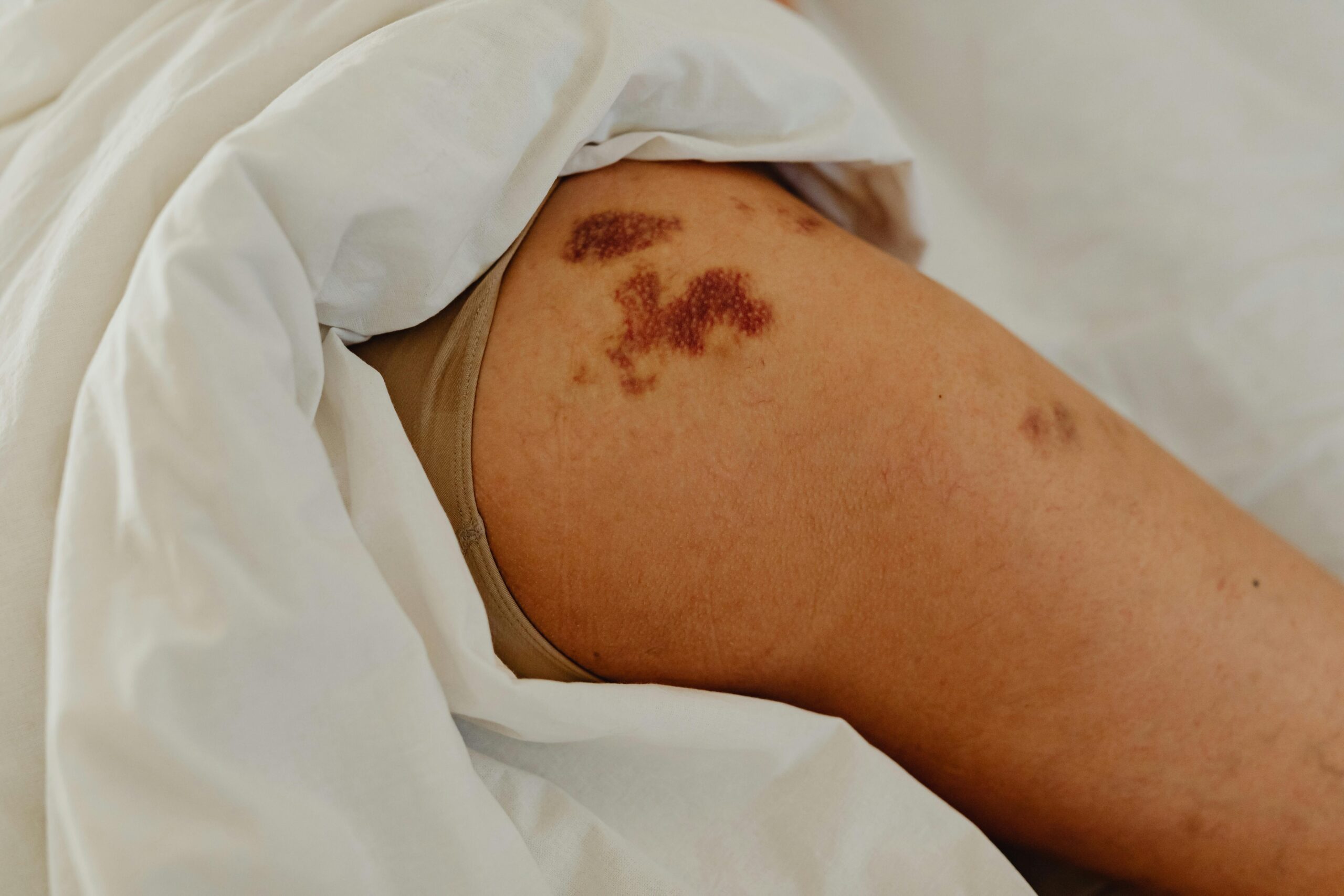
The manifestations of varicose eczema typically occur on the lower legs and ankles. The skin may exhibit signs of itchiness, redness, and inflammation. In numerous instances, the skin may also become dry, scaly, or flaky.
One of the most prominent indicators is continuous itching. Scratching the affected region can exacerbate the irritation and potentially harm the skin. Over time, the skin may thicken or harden due to ongoing inflammation.
Another prevalent symptom of varicose veins is skin discoloration. The skin surrounding the ankles may darken to shades of brown, purple, or red as a result of altered blood flow and the degradation of red blood cells within the tissues.
Some individuals may also notice swelling in the legs, particularly after prolonged periods of standing. The skin may feel warm, tender, or sensitive to touch. In severe instances, cracks or open sores may arise if the condition is not adequately addressed.
Who Is at Risk of Varicose Eczema
Certain demographics are at an elevated risk of developing varicose eczema. Older adults are especially susceptible as the veins naturally weaken with age.
Individuals with pre-existing varicose veins are also at an increased risk. When the veins become enlarged and twisted, they may find it difficult to effectively circulate blood, leading to heightened pressure in the lower legs.
Pregnancy can further elevate the chances of developing varicose veins. During this period, the body generates additional blood and hormones that relax the walls of the veins. This can hinder circulation and exert extra pressure on the veins in the legs.
Additional risk factors encompass obesity, insufficient physical activity, and a familial history of venous issues. Those who spend extended hours standing or sitting at their jobs may also encounter circulation complications that contribute to varicose veins.
Complications of Varicose Eczema
If varicose eczema is not adequately treated, it can result in various complications. One potential complication is a skin infection. As the skin becomes irritated and delicate, bacteria may enter through minor cracks or scratches.
Another complication is the formation of venous leg ulcers. These are open sores that typically develop around the ankle region. They arise when inadequate circulation hinders the skin’s ability to heal properly.
Chronic inflammation resulting from varicose eczema may also lead to permanent thickening or hardening of the skin. This condition, often referred to as lipodermatosclerosis, can alter the shape and texture of the lower leg.
Timely treatment and appropriate skin care are crucial for preventing these complications and ensuring the maintenance of healthy skin.
Diagnosis of Varicose Eczema
Physicians typically diagnose varicose eczema by assessing the affected skin and reviewing the patient’s medical history. The skin’s appearance, along with indications of poor circulation in the legs, frequently provides sufficient information for diagnosis.
In certain instances, a physician may suggest further tests to assess blood flow in the veins. An ultrasound scan might be employed to evaluate the functionality of the veins and whether blood is circulating correctly.
These assessments can assist in determining if venous insufficiency is the underlying cause of the varicose eczema and help in formulating the most effective treatment plan.
Treatment Options for Varicose Eczema
The treatment of varicose eczema aims to enhance circulation and alleviate skin irritation. A common approach is the application of moisturizers. Keeping the skin well-hydrated aids in minimizing dryness and itching.
Physicians may also prescribe medicated creams or ointments to mitigate inflammation. These treatments are designed to soothe irritated skin and prevent additional damage.
Compression stockings are frequently advised for individuals suffering from varicose veins. These specially crafted stockings exert gentle pressure on the legs, aiding in the enhancement of blood circulation and the alleviation of swelling.
In certain instances, it may be essential to address underlying vein issues. Treatments aimed at varicose veins can facilitate improved circulation and diminish the likelihood of recurring skin inflammation.
Lifestyle Modifications for Managing Varicose Eczema
Adjustments in lifestyle can significantly contribute to the management of varicose veins. Engaging in regular physical activity promotes better blood circulation in the legs. Simple exercises such as walking can fortify the muscles that assist in propelling blood through the veins.
Elevating the legs while at rest can also alleviate pressure in the veins and minimize swelling. Many healthcare professionals suggest raising the legs above heart level for brief intervals throughout the day.
Sustaining a healthy weight can further lessen the strain on the veins. Excess weight exerts additional pressure on the leg veins, potentially exacerbating circulation issues and contributing to varicose eczema.
Avoiding prolonged periods of standing or sitting may also enhance blood flow and alleviate symptoms.
Preventing Varicose Eczema
While it may not always be feasible to avert varicose eczema, certain practices can mitigate the risk. Maintaining physical activity is among the most effective methods to ensure healthy circulation.
Utilizing compression stockings, particularly for those with pre-existing vein conditions, can also alleviate pressure within the veins. Adequate skin care is another crucial element. Consistently moisturizing the skin aids in safeguarding it against dryness and irritation.
Adopting healthy lifestyle habits, including a balanced diet and regular exercise, bolsters overall circulation and may assist in preventing the onset of varicose veins.


Leave a Reply