

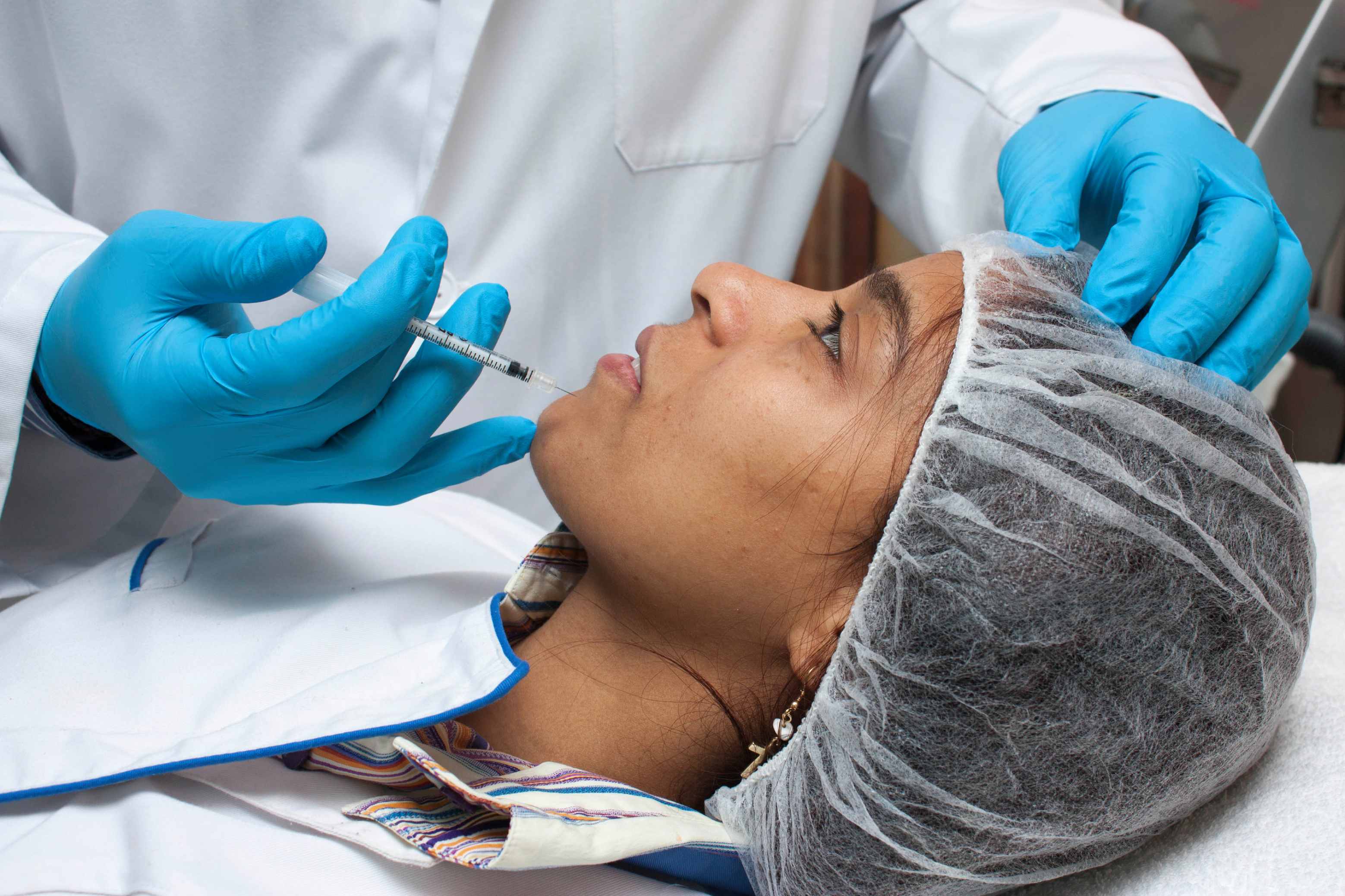

Women’s integrated health is a comprehensive approach to healthcare that focuses on the physical, mental, emotional, and social well-being of women at every stage of life. Unlike traditional healthcare models that treat symptoms in isolation, integrated health combines preventive care, medical treatment, lifestyle management, and mental health support to provide complete and personalized care for women.
In today’s fast-paced world, women face unique health challenges influenced by biology, hormones, stress, family responsibilities, and societal expectations. Women’s integrated health addresses these complexities by offering coordinated and patient-centered care.
What Is Women’s Integrated Health?
Women’s integrated health refers to a healthcare model that brings together multiple medical disciplines to support women’s overall wellness. It integrates services such as gynecology, primary care, mental health, nutrition, reproductive health, and chronic disease management under one coordinated system.
This approach ensures that healthcare providers consider how different aspects of a woman’s health are connected, leading to better diagnosis, treatment, and long-term outcomes.
Importance of Women’s Integrated Health
Women’s bodies go through significant changes throughout life—from puberty and pregnancy to menopause and aging. Each phase presents unique physical and emotional needs. Integrated health care is important because it:
- Focuses on prevention rather than just treatment
- Addresses mental and emotional health alongside physical health
- Provides personalized care plans
- Improves early detection of diseases
- Enhances quality of life and long-term wellness
By treating the whole person, women receive more effective and compassionate care.
Key Components of Women’s Integrated Health
1. Reproductive and Gynecological Care
Reproductive health is a core part of women’s integrated health. This includes routine gynecological exams, menstrual health, fertility support, pregnancy care, contraception, and menopause management. Regular screenings such as Pap smears and breast exams help in early detection of serious conditions.
2. Mental and Emotional Health
Mental health plays a crucial role in overall well-being. Women are more likely to experience anxiety, depression, and stress due to hormonal changes and life pressures. Integrated health models include counseling, therapy, stress management techniques, and emotional support as part of routine care.
3. Preventive and Primary Care
Preventive care helps reduce the risk of chronic diseases such as heart disease, diabetes, and osteoporosis. Regular checkups, vaccinations, health screenings, and lifestyle guidance form the foundation of women’s integrated health.
4. Nutrition and Lifestyle Management
Proper nutrition and healthy lifestyle choices directly impact hormonal balance, energy levels, and immune health. Integrated care includes personalized nutrition plans, weight management support, exercise guidance, and education on healthy habits.
5. Chronic Disease Management
Women often manage long-term conditions such as thyroid disorders, autoimmune diseases, or hormonal imbalances. Integrated health care ensures coordinated treatment plans that address both symptoms and underlying causes.
Benefits of Women’s Integrated Health Care
Women’s integrated health offers several benefits that improve both short-term and long-term health outcomes:
- Personalized care: Treatment plans tailored to individual needs
- Better coordination: Multiple specialists working together
- Improved outcomes: Early diagnosis and effective management
- Empowerment: Women become active participants in their health decisions
- Continuity of care: Support through every life stage
This approach reduces fragmented care and ensures women receive consistent and comprehensive treatment.
Women’s Integrated Health Across Life Stages
Adolescence
Focuses on menstrual health, mental well-being, nutrition, and education about body changes.
Adulthood
Includes reproductive planning, pregnancy care, stress management, and preventive screenings.
Midlife and Menopause
Addresses hormonal changes, bone health, heart health, and emotional well-being.
Older Age
Emphasizes chronic disease prevention, mobility, mental health, and maintaining independence.
The Future of Women’s Integrated Health
With advancements in healthcare technology and increased awareness, women’s integrated health is becoming more accessible. Telehealth services, digital health tracking, and personalized medicine are transforming how women receive care. This model is shaping a future where women’s health is proactive, inclusive, and holistic.
Leave a Reply