


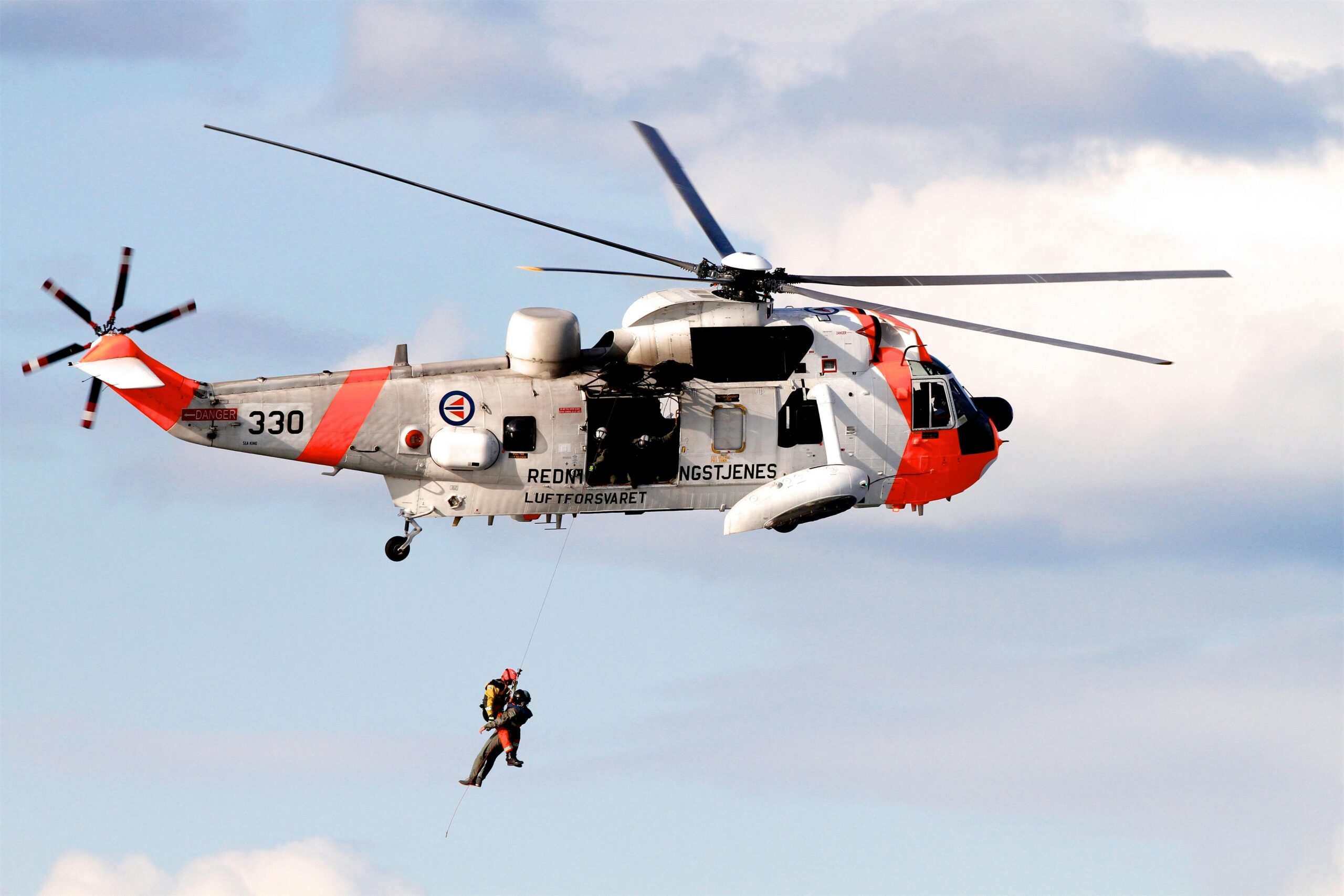
STARS Air Ambulance is among the most esteemed emergency medical transport services in Canada, recognized for its swift response, advanced critical care, and life-saving missions. Operating throughout Western Canada, this nonprofit organization has become an essential component of the healthcare system, particularly in remote and rural regions where access to hospitals may be restricted.
This guide delves into the services provided by STARS Air Ambulance, its tangible impact, and how it administers emergency care when every second is crucial.
What Is STARS Air Ambulance?
STARS Air Ambulance, officially referred to as the Shock Trauma Air Rescue Service, is a helicopter-based emergency medical service established in 1985. It commenced operations with a single helicopter in Alberta and has since expanded into a large-scale operation with multiple bases across Alberta, Saskatchewan, and Manitoba.
Currently, STARS operates a fleet of state-of-the-art Airbus H145 helicopters and has successfully completed over 60,000 missions, saving innumerable lives.
In contrast to conventional ambulance services, STARS emphasizes the provision of critical care directly at the scene and during transport, ensuring that patients receive hospital-level treatment even prior to arriving at a medical facility.
Core Services of STARS Air Ambulance
- Emergency Medical Response
A key service offered by STARS is its response to emergency situations, including severe accidents, trauma incidents, heart attacks, and other life-threatening conditions. The helicopters facilitate rapid deployment, particularly in locations where road access is challenging or time-consuming.
STARS operates around the clock, guaranteeing that emergency care is consistently available when required.
- Critical Care Transport
STARS is more than just a transport service—it delivers advanced medical care during transit. Each flight is staffed by a highly trained team of professionals, including:
- Flight paramedics
- Critical care nurses
- Transport physicians
- Pilots and support staff
These teams provide specialized treatment during transport, enhancing survival rates and stabilizing patients prior to their arrival at the hospital.
- Interfacility Transfers
STARS plays an essential role in the transfer of patients between hospitals. When a patient needs specialized treatment that is not available locally, STARS guarantees a swift and secure transfer to a facility that is better equipped.
For instance, neonatal transfers—transporting newborns who require intensive care—have emerged as a vital service, necessitating specialized equipment and expertise.
- Remote and Rural Healthcare Support
One of STARS’ greatest strengths is its capacity to assist remote communities. In extensive areas of Canada, where hospitals are distanced from one another, STARS serves as a critical lifeline.
Its capability to land in challenging terrains and deliver immediate care helps to connect rural patients with advanced healthcare services.
- Emergency Communication and Coordination
STARS operates a 24/7 emergency link center that manages missions, communicates with ground teams, and ensures an effective response during emergencies.
This system facilitates seamless collaboration among healthcare providers, emergency responders, and hospitals, guaranteeing that patients receive prompt and coordinated care.
- Advanced Medical Technology
STARS helicopters are outfitted with state-of-the-art medical equipment, including:
- Onboard ultrasound systems
- Advanced monitoring equipment
- Life-support systems
- Secure communication technology
Moreover, advancements such as virtual care programs enable physicians to evaluate patients remotely during missions, thereby enhancing decision-making and expediting treatment.
The Impact of STARS Air Ambulance
Saving Lives
The paramount impact of STARS lies in its capacity to save lives during critical circumstances. Swift response times coupled with advanced medical care frequently determine the difference between life and death.
Numerous patients have survived serious injuries and medical crises due to the prompt intervention of STARS teams.
Supporting Rural Communities
For individuals residing in remote locations, obtaining emergency healthcare can be difficult. STARS guarantees that these communities are not overlooked.
By offering swift air transport and immediate care, STARS diminishes healthcare inequalities and provides reassurance to inhabitants and workers in secluded areas.
Strengthening Healthcare Systems
STARS collaborates closely with hospitals, emergency services, and governmental bodies to fortify the overall healthcare framework.
Its incorporation into emergency response networks guarantees that patients receive appropriate care at the appropriate time, thereby enhancing overall outcomes.
Economic and Social Benefits
In addition to healthcare, STARS plays a vital role in community safety and economic stability. Sectors such as mining, oil, and forestry depend on STARS for emergency responses at remote job sites.
This assistance improves worker safety and ensures prompt medical attention in the event of accidents.
How STARS Provides Emergency Care
Rapid Deployment
Upon receiving an emergency call, STARS dispatches a helicopter within minutes. Its aircraft are strategically positioned to efficiently cover extensive areas.
On-Scene Treatment
In contrast to conventional ambulance services, STARS delivers immediate medical assistance at the scene. This encompasses:
Stabilizing vital signs
- Administering medication
- Performing emergency procedures
This prompt intervention greatly enhances the chances of patient survival.
In-Flight Critical Care
Throughout transport, the medical team persistently monitors and treats the patient. The helicopter effectively transforms into a flying intensive care unit.
Hospital Coordination
Prior to arrival, STARS liaises with the receiving hospital, enabling medical teams to prepare ahead of time. This guarantees a seamless transition and expedited treatment upon arrival.
Funding and Community Support
STARS Air Ambulance operates as a non-profit organization that depends on a blend of:
- Government funding
- Corporate partnerships
- Public donations
Community support is vital for maintaining the service’s operations. Contributions assist in funding equipment, training, and daily activities, ensuring that STARS can persist in saving lives.
Why STARS Air Ambulance is Important
Emergency situations are unpredictable, and the availability of rapid, high-quality medical care can influence outcomes. STARS Air Ambulance is distinguished by its integration of speed, expertise, and advanced technology to provide critical care when it is most essential.
Its capacity to access remote areas, deliver specialized treatment, and coordinate with healthcare systems renders it an indispensable service in contemporary emergency medicine.
Conclusion
STARS Air Ambulance transcends being merely an air transport service—it constitutes a life-saving network that links patients to critical care in the most demanding circumstances. Through its extensive array of services, advanced medical capabilities, and committed teams, STARS continues to exert a significant influence on emergency healthcare.


Leave a Reply