

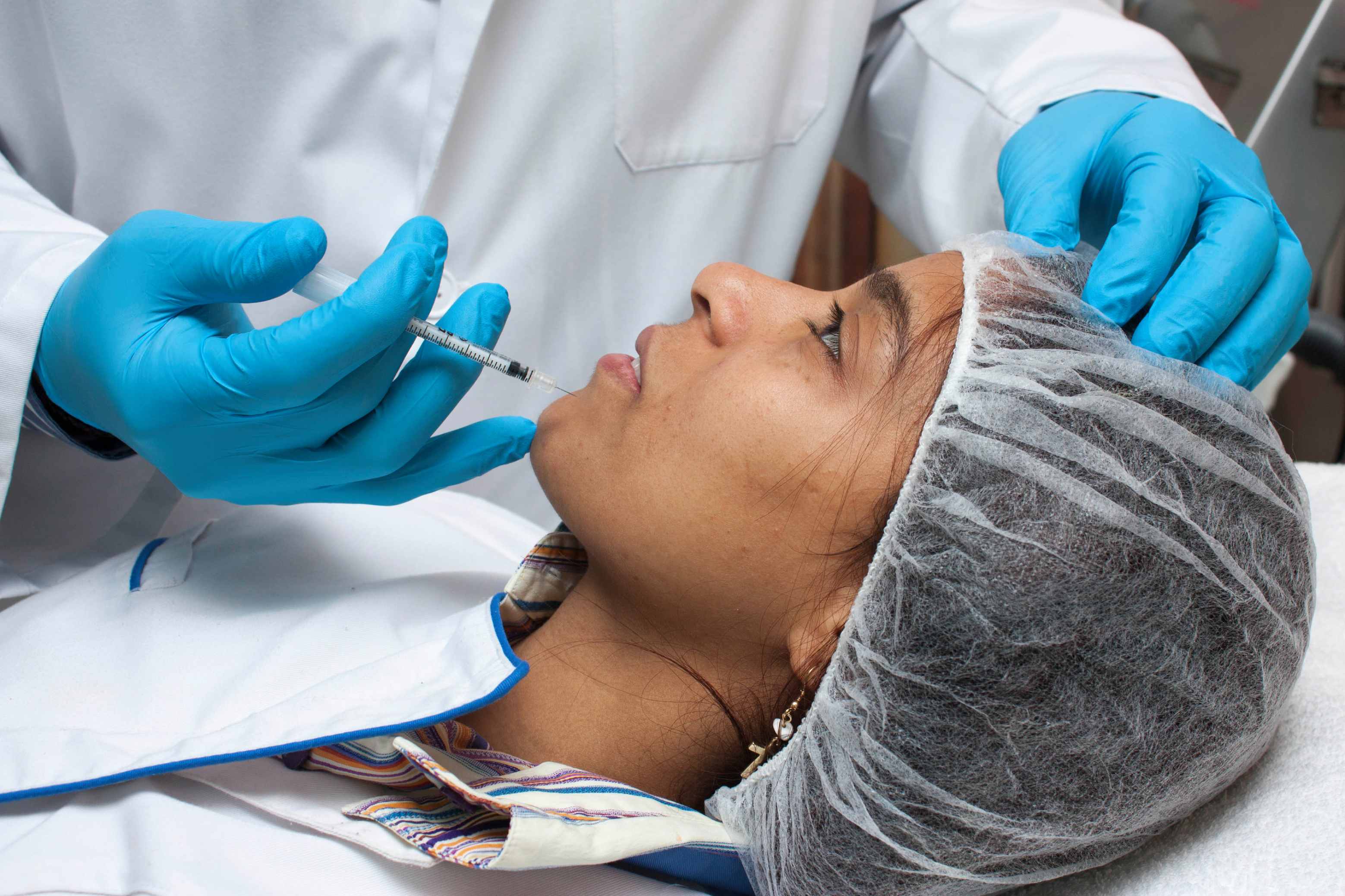
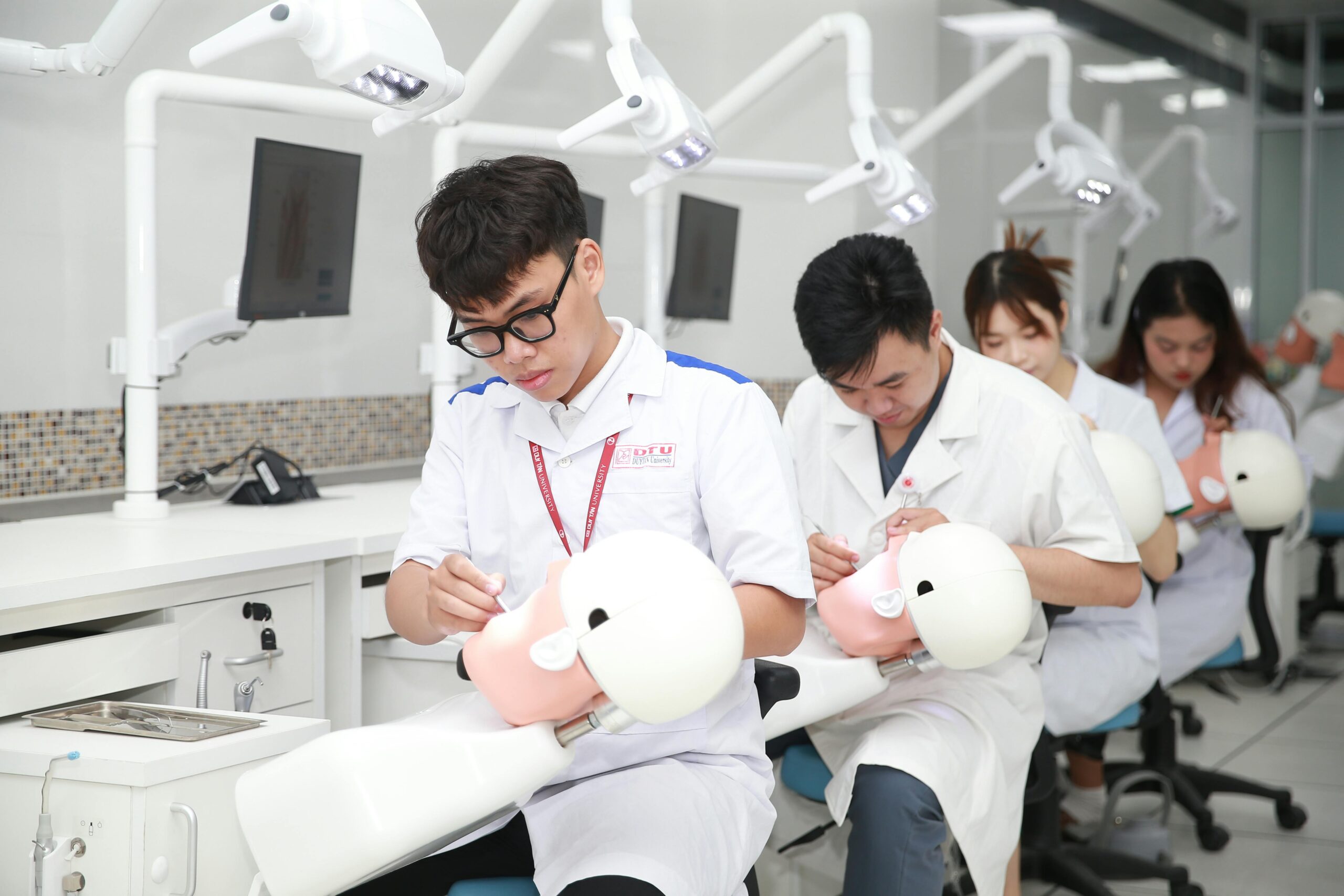
If you are considering applying to medical school, a common question that arises is how many hours of clinical experience are necessary. Clinical experience is crucial in the medical school application process as it helps prospective students grasp patient care, healthcare environments, and the responsibilities of physicians.
While there is no set number of hours that guarantees acceptance, many successful applicants accumulate a substantial amount of clinical experience prior to applying. Familiarizing yourself with what medical schools expect can enhance your application.
What Constitutes Clinical Experience?
Clinical experience encompasses hands-on or patient-related engagement within healthcare settings. This exposure allows future medical students to observe healthcare professionals, interact with patients, and understand the realities of medical practice.
Examples of clinical experience include:
- Volunteering in hospitals
- Working as a medical assistant
- Shadowing physicians
- Serving as an emergency medical technician (EMT)
- Assisting in patient care environments
- Clinical volunteering in healthcare centers
The primary aim is to acquire meaningful exposure to patient care and to demonstrate a commitment to the medical profession.
How Many Hours of Clinical Experience Are Required for Medical School?
A key concern for pre-med students is the number of hours required. Although there is no strict guideline, many admissions experts suggest aiming for 100 to 300 hours of clinical experience for medical school applications.
However, competitive applicants often exceed these hours based on the specific medical school and program expectations.
- Around 100 Hours: Some medical schools may consider applicants with approximately 100 hours of meaningful clinical exposure, indicating early interest and patient interaction.
- Between 150 to 300 Hours: Many successful applicants target this range, as it reflects consistent involvement and dedication to healthcare experiences.
- Over 300 Hours: Applicants with extensive clinical backgrounds may surpass 300 hours, particularly if they hold healthcare roles or engage in long-term volunteering.
Ultimately, the quality of experiences often outweighs the quantity. Medical schools prefer candidates who have gained valuable learning experiences rather than simply accumulating hours.
Why Clinical Experience Is Important for Medical School
Medical schools seek applicants who comprehend the realities of medicine before committing to the profession.
- Demonstrates Commitment: Clinical experience signals to admissions committees that you are serious about pursuing a medical career.
- Builds Patient Interaction Skills: Working with patients fosters empathy, communication, and professionalism.
- Provides Real-World Medical Exposure: Students gain insights into healthcare systems, teamwork, and physician responsibilities.
- Strengthens Your Application: Strong clinical experience enhances personal statements, interviews, and recommendation letters.
- Helps Confirm Career Choice: Exposure to healthcare allows students to evaluate whether medicine aligns with their goals.
Types of Clinical Experience for Medical School
There are various avenues to accumulate clinical hours. Selecting the right opportunity depends on your interests and availability.
- Hospital Volunteering: Many students choose to volunteer in hospitals to gain exposure to patient care environments.
- Physician Shadowing: Shadowing enables students to observe doctors and comprehend daily medical responsibilities.
- Medical Assistant Roles: Working as a medical assistant provides direct patient interaction and practical healthcare experience.
- EMT Experience: Serving as an emergency medical technician offers hands-on clinical exposure in dynamic situations.
- Nursing Homes and Clinics: Volunteering in nursing homes or clinics allows students to gain experience in patient care.
- Scribing: Medical scribes work alongside physicians to document patient visits, providing valuable medical exposure.
Characteristics of Strong Clinical Experience
To distinguish yourself in medical school applications, your clinical experience should encompass meaningful involvement.
- Direct Patient Contact: Experiences that involve patient interaction are typically more valuable.
- Consistency Over Time: A long-term commitment is generally more impressive than short-term participation.
- Learning Opportunities: Select roles that allow you to observe healthcare teamwork and medical procedures.
- Reflection and Growth: Medical schools appreciate applicants who can articulate what they learned from their clinical experiences.
- Variety of Exposure: Gaining experience in diverse healthcare settings can enhance your understanding of medicine.
Tips for Gaining Clinical Experience for Medical School
Securing opportunities early can streamline the process.
- Start Early: Begin accumulating experience during your college or undergraduate studies.
- Volunteer Regularly: Consistent volunteering showcases dedication and reliability.
- Network With Healthcare Professionals: Connecting with doctors or hospitals can open doors to shadowing opportunities.
- Keep Track of Hours: Maintain a detailed record of your clinical experiences and responsibilities.
- Focus on Meaningful Experiences: Choose opportunities that genuinely enhance your understanding of medicine.
Common Mistakes to Avoid
Many students prioritize numbers over quality.
- Only Chasing Hours: Medical schools value meaningful involvement over sheer totals.
- Starting Too Late: Delaying until application season can limit opportunities.
- Lack of Reflection: Applicants should articulate what they learned from their experiences.
- Ignoring Patient Interaction: Experiences lacking patient exposure may carry less weight.
Final Thoughts
When considering how many hours of clinical experience are necessary for medical school, the answer varies depending on the institution and applicant profile. Generally, aiming for 100 to 300 hours of meaningful clinical experience is a solid starting point for most candidates.
More importantly, focus on obtaining quality experiences that involve patient interaction, healthcare exposure, and personal growth. Medical schools appreciate applicants who understand the challenges and rewards of medicine and can clearly convey how their clinical experiences influenced their decision to pursue a medical career.


Leave a Reply