


Peyronie’s disease is a medical condition that impacts the penis, leading to abnormal curvature, discomfort, and occasionally challenges with sexual performance. This condition arises from the development of fibrous scar tissue (plaques) within the penis, which disrupts its typical flexibility.
Recognizing the symptoms and available treatment options is crucial for timely management and enhancing quality of life.
What Is Peyronie’s Disease?
Peyronie’s disease occurs when scar tissue develops beneath the skin of the penis. This scar tissue can result in the penis bending or curving during an erection. The severity of the condition can vary from mild to severe and may deteriorate over time if not appropriately addressed.
While the precise cause is not always identifiable, it is frequently associated with repeated minor injuries to the penis, genetic factors, or underlying connective tissue disorders.
Symptoms of Peyronie’s Disease
The symptoms associated with Peyronie’s disease can differ, but the most prevalent indicators include:
- Penile Curvature
A distinct bend in the penis during an erection is the most prominent symptom. The curvature may be directed upward, downward, or sideways.
- Plaque Formation
Firm lumps or bands of scar tissue can be detected beneath the skin of the penis.
- Pain During Erection
Discomfort may arise, particularly in the initial stages of the condition. This pain typically diminishes over time.
- Erectile Dysfunction
Some men may experience challenges in achieving or sustaining an erection.
- Shortening of the Penis
The accumulation of scar tissue can result in a decrease in penile length.
- Changes in Shape
The penis may take on an hourglass shape or exhibit narrowing in specific areas.
Stages of Peyronie’s Disease
Acute Phase
- This phase lasts for up to 12–18 months.
- Pain and curvature may intensify.
- Scar tissue is actively being formed.
Chronic Phase
- Pain typically diminishes
- Curvature becomes stable
- Scar tissue may become permanent
- Management of Peyronie’s Disease
The approach to treating Peyronie’s disease is contingent upon the severity of symptoms and the progression of the condition.
- Observation (Watchful Waiting)
In cases deemed mild, healthcare providers may suggest monitoring the condition, particularly if the curvature is not pronounced and does not disrupt sexual activity.
- Medications
Oral Medications
Certain medications may be prescribed to alleviate inflammation and hinder scar development, although outcomes can differ.
Injectable Treatments
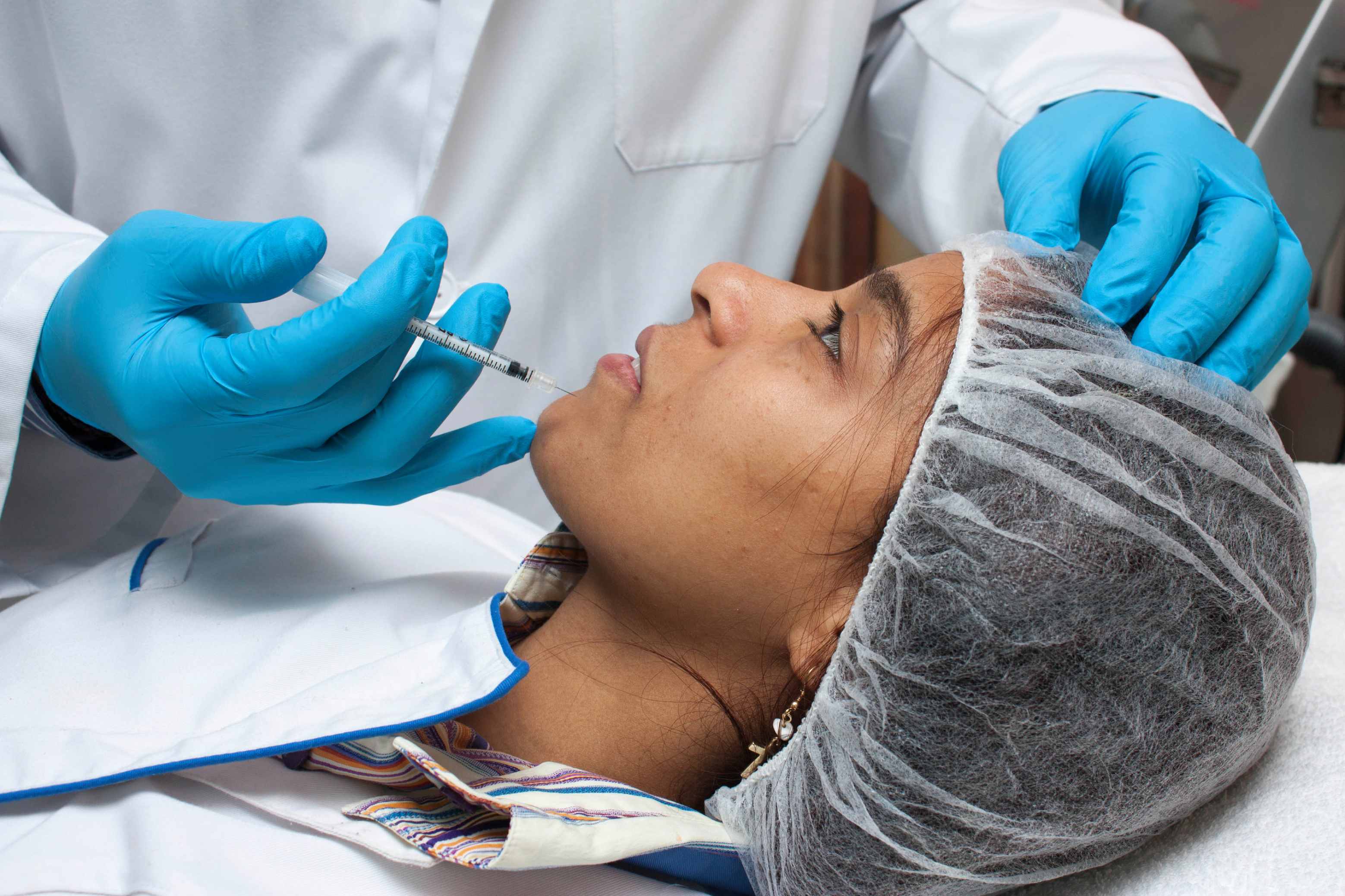
Physicians may administer medication directly into the plaque to dissolve scar tissue and enhance curvature.
- Non-Surgical Therapies
Traction Therapy
Devices are utilized to gently elongate the penis, which may assist in gradually reducing curvature.
Shockwave Therapy
Low-intensity shockwaves may aid in alleviating pain, although their impact on curvature is limited.
- Surgical Treatment
Surgery is generally considered in severe instances when the condition has stabilized and significantly impairs function.
Common surgical alternatives include:
- Plication Surgery: Straightens the penis by shortening the opposite side
- Grafting: Excises scar tissue and substitutes it with a graft
- Penile Implants: Employed in cases of severe erectile dysfunction
When to Consult a Doctor
You should seek advice from a healthcare professional if you observe:
- A new or worsening curvature of the penis
- Pain during erections
- Challenges with sexual function
- Lumps or hardened areas in the penis
Early detection can facilitate more effective symptom management and avert complications.
Living with Peyronie’s Disease
Coping with Peyronie’s disease necessitates both physical and emotional support. Maintaining open communication with a healthcare provider and partner can alleviate anxiety and enhance outcomes.
Lifestyle modifications, appropriate treatment, and medical advice can greatly enhance quality of life.
Conclusion
Peyronie’s disease is a medical condition characterized by curvature, pain, and functional difficulties. Although it can be distressing, there are numerous treatment options available that vary based on the severity and stage of the disease.
Identifying symptoms at an early stage and pursuing suitable care can result in enhanced management and improved quality of life.


Leave a Reply