


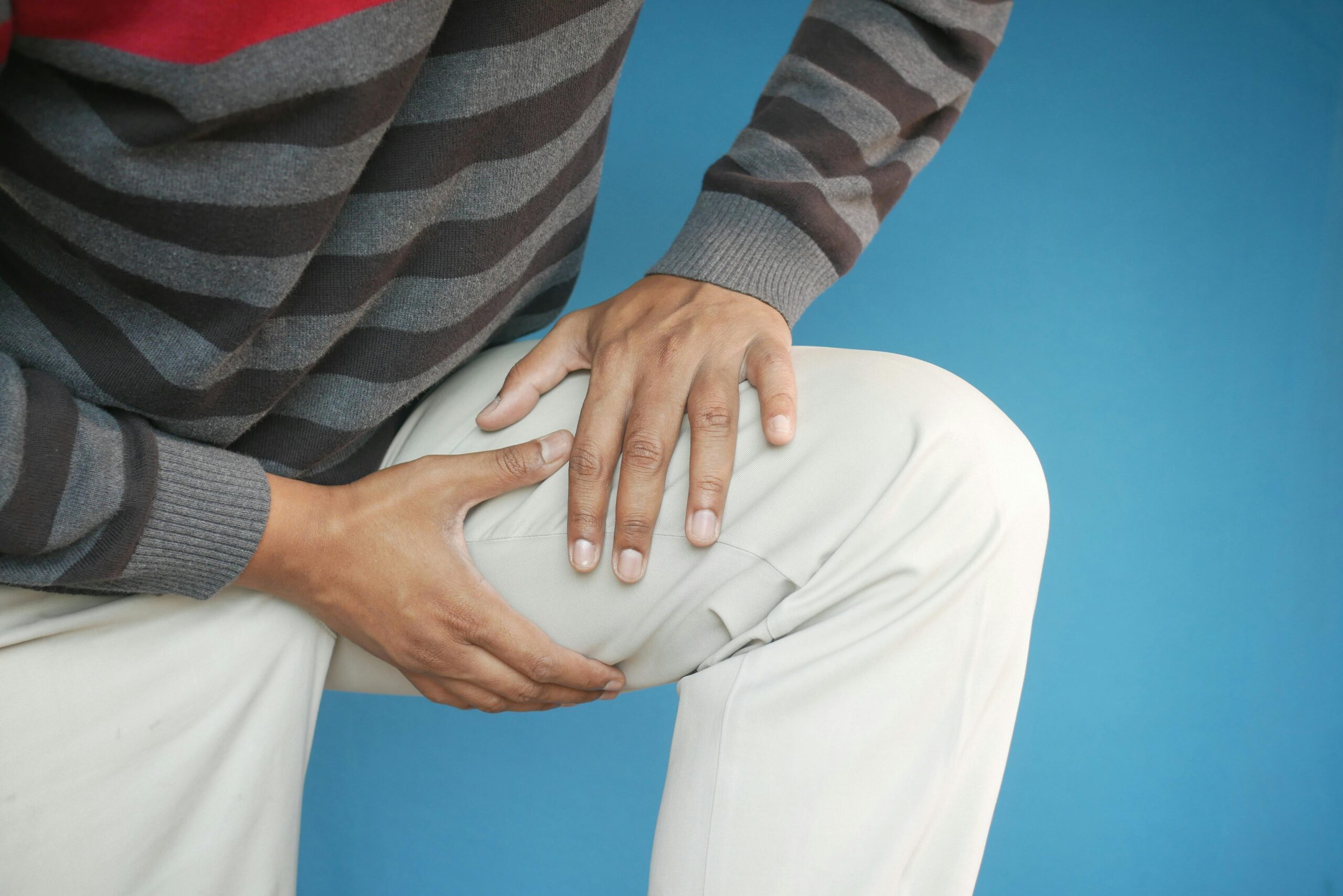
Hypomobility is a condition characterized by a limited range of motion in the joints. In contrast to hypermobility, where joints exceed the normal range of movement, hypomobility is associated with stiffness and restricted mobility, which can impact daily activities and overall physical performance.
This condition can affect any joint in the body and may arise from various factors such as injury, aging, medical conditions, or prolonged inactivity.
What Is Hypomobility?
Hypomobility manifests when a joint is unable to move as freely as it is intended to. Healthy joints facilitate smooth and flexible movement; however, in cases of hypomobility, the surrounding tissues—comprising muscles, ligaments, and tendons—become tight or stiff.
This limitation can result in discomfort, decreased mobility, and challenges in executing routine tasks such as bending, walking, or lifting.
Causes of Hypomobility
Several factors can lead to the development of hypomobility, including:
- Lack of Physical Activity
A sedentary lifestyle can result in the stiffening of muscles and joints over time, thereby diminishing flexibility.
- Injury or Trauma
Injuries such as sprains, fractures, or surgical procedures can restrict joint movement, particularly if adequate rehabilitation is not undertaken.
- Aging
As individuals age, their joints naturally experience a decline in flexibility and lubrication, resulting in stiffness.
- Medical Conditions
Certain medical conditions can exacerbate hypomobility, including:
- Arthritis
- Fibromyalgia
- Parkinson’s disease
These conditions can impair joint function and muscle control.
- Muscle Tightness
Tightness in the muscles surrounding a joint can hinder its movement and decrease flexibility.
Symptoms of Hypomobility
Common symptoms associated with hypomobility are
- Stiffness in joints
- Limited range of motion
- Pain or discomfort during movement
- Muscle tightness
- Challenges in performing daily activities
A sensation of being “locked” or restricted in certain positions.
Symptoms may differ based on the joint affected and the underlying cause.
How Hypomobility Affects Daily Life
Hypomobility can have a considerable effect on everyday routines. Simple tasks such as reaching overhead, bending down, or walking for extended periods can become difficult.
Over time, decreased movement may also result in muscle weakness and poor posture, which further restricts mobility and heightens discomfort.
Diagnosis of Hypomobility
Healthcare professionals diagnose Hypomobility through:
- A physical examination
- An assessment of joint range of motion
- A review of medical history
- Imaging tests (if necessary)
These assessments assist in identifying the cause and severity of the condition.
Treatment of Hypomobility
The treatment aims to enhance joint mobility and alleviate discomfort.
- Physical Therapy
Exercises aimed at increasing flexibility and strengthening muscles are crucial for enhancing joint movement.
- Stretching Exercises
Consistent stretching aids in loosening tight muscles and enhancing the range of motion.
- Pain Management
Methods for pain relief may include medications, heat therapy, or massage.
- Lifestyle Changes
Remaining active
Maintaining a healthy weight
Avoiding prolonged periods of sitting
These practices can help prevent additional stiffness.
- Assistive Therapies
Methods such as manual therapy or chiropractic care may assist in restoring joint movement.
Preventing Hypomobility
Preventing hypomobility requires maintaining an active lifestyle and taking care of joint health:
- Engage in regular exercise
- Stretch on a daily basis
- Practice good posture
- Warm up prior to physical activity
These measures contribute to keeping joints flexible and functional.
Conclusion
Hypomobility refers to a condition marked by limited joint movement and stiffness. This condition may arise from several factors, including inactivity, injuries, or underlying medical issues, but it is frequently manageable with appropriate care.
By engaging in physical therapy, maintaining a routine of regular exercise, and adopting healthy lifestyle habits, individuals can enhance their mobility and sustain an improved quality of life.


Leave a Reply