


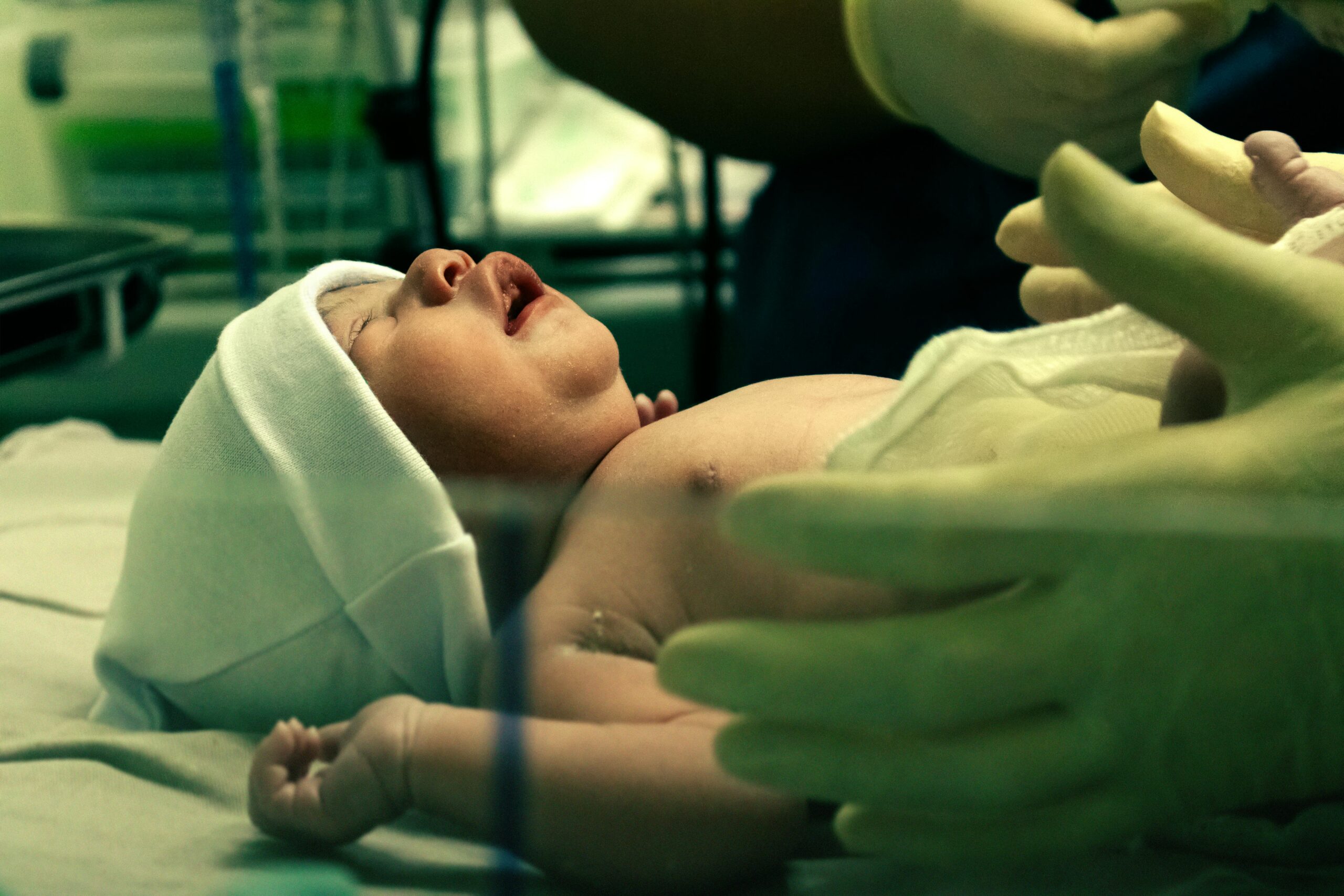
Pediatric Chiropractic Care: An Overview
Pediatric chiropractic care is a specialized approach within chiropractic treatment aimed at infants, children, and adolescents. Its objective is to enhance overall health, physical development, and comfort in children through gentle, age-appropriate techniques. An increasing number of parents are exploring pediatric chiropractic care as it emphasizes natural, non-invasive methods focused on child well-being. Understanding its functionality, benefits, and most useful characteristics can significantly enhance children’s quality of life from an early age.
Introduction to Pediatric Chiropractic Care
Pediatric chiropractic care is based on the premise that the spine plays a central role in overall health. In children, imbalances can occur during childbirth, early walking, growth phases, or daily activities. These misalignments, known as subluxations, can impact the functioning of the nervous system.
Pediatric chiropractic employs very gentle adjustments specifically designed for young bodies. The techniques differ significantly from the more forceful manipulations often associated with adult care. Every aspect is tailored: the force, pressure, duration, and even the child’s posture during the session.
Why is pediatric chiropractic care gaining popularity?
Parents are increasingly seeking natural solutions to support their children’s health. Pediatric chiropractic care addresses this demand with an approach focused on enhancing well-being without the use of medications. It is valued for its ability to help children grow, move better, and recover from minor everyday imbalances.
Types of Interventions in Pediatric Chiropractic Care
Pediatric chiropractic offers various approaches depending on the child’s age, symptoms, and physical needs. The primary methods utilized include:
- Gentle Adjustments for Infants
These adjustments involve light pressure, akin to a fingertip touch.
Objective: To reduce tension and promote mobility. - Joint Adjustments for Older Children
Adjustments for older children remain light and precise.
Objective: To improve posture, balance, and coordination. - Mobilization Techniques
These techniques enhance flexibility and joint movement.
Objective: To support harmonious growth. - Pediatric Muscle Work
Practitioners utilize muscle relaxation techniques.
Objective: To alleviate discomfort and promote relaxation. - Motor Development-Based Approaches
Pediatric chiropractic supports children through critical developmental stages such as crawling, walking, and running.
Objective: To encourage natural development.
Key Features of Pediatric Chiropractic Care
To better understand the value of this approach, here are the most beneficial characteristics that pediatric chiropractic offers to children and their parents:
- Extremely Gentle and Safe Pressure
The first significant feature is the use of very gentle techniques. Unlike adult adjustments, pediatric chiropractic employs minimal pressure.
Usable Feature:
- Tailored to the fragility of children’s bodies
- No aggressive manipulation
- High safety for all ages
- Completely Personalized Approach
Each child is unique. Pediatric chiropractic considers age, body type, habits, and specific needs.
Usable Feature:
- Individualized care plans
- Approaches tailored to growth phases
- Specific follow-up based on progress
- Targeted Correction of the Nervous System
The spine directly influences nerve function. Pediatric chiropractic aids in improving internal communication within the body.
Usable Feature:
- Supports nerve development
- Enhances bodily comfort
- Promotes better internal harmony
- Comprehensive Support for Motor Development
Milestones such as sitting, crawling, walking, and running require good muscular and joint coordination. Pediatric chiropractic enhances motor skills.
Usable Feature:
- Improved mobility
- Balanced development
- Assistance with coordination
- Visible Improvement in Posture
Posture is crucial for a child’s growth. Pediatric chiropractic helps correct postural imbalances.
Usable Feature:
- Body alignment
- Reduced tension
- Prevention of poor posture
- Natural, Non-Medicated Method
Many parents prefer natural approaches. Pediatric chiropractic does not involve any medications.
Usable Feature:
- Gentle approach
- No chemical products
- Focused on muscular and joint care
- Soothing Environment for the Child
Sessions are conducted in a comfortable and reassuring setting. Trained chiropractors know how to put children at ease.
Usable Feature:
- Reduced stress during sessions
- Adaptation of treatment pace
- Positive experience for children
How a Pediatric Chiropractic Session Unfolds
A typical pediatric chiropractic session begins with a discussion with the parents and a comprehensive observation of the child. The practitioner assesses posture, mobility, flexibility, and muscle tension.
Subsequently, gentle adjustments are made. Children generally respond quickly and positively. Sessions are kept brief to align with their attention spans.
Expected Outcomes of Pediatric Chiropractic Care
With regular treatment, one can observe:
- Improved mobility
- More balanced posture
- Decreased muscle discomfort
- Enhanced body awareness
- Progress in motor development
These outcomes may vary among children, but pediatric chiropractic often yields visible improvements.
Conclusion
Pediatric chiropractic care is a gentle, safe, and natural approach that supports the overall well-being of children. Through its tailored techniques, light adjustments, and support for motor development, it offers numerous advantages. Parents seeking non-invasive, personalized care focused on bodily balance find pediatric chiropractic to be a comprehensive and effective solution. The most beneficial characteristics—such as gentleness, personalization, safety, and postural support—make this method a favored choice for guiding children throughout their growth.


Leave a Reply