


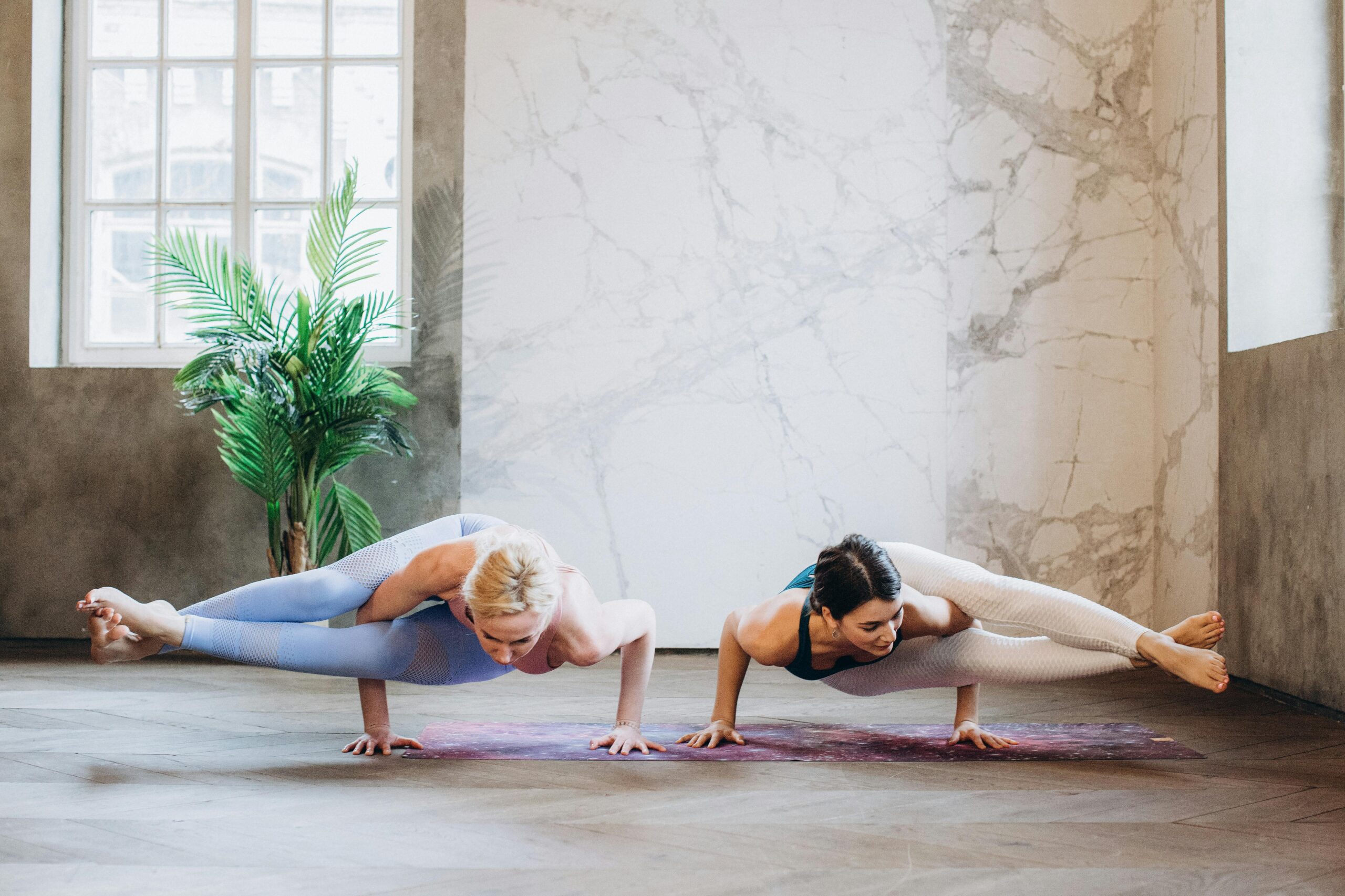
Partner yoga, characterized by yoga poses designed for two participants, provides an enjoyable and effective method to deepen one’s practice while fostering trust, communication, and connection. Unlike individual yoga, these poses necessitate coordination, balance, and mutual support, making them both challenging and rewarding. Engaging in partner yoga with a friend, partner, or family member enhances flexibility, strength, and mindfulness.
Definition of Yoga Poses for Two People
Yoga poses for two individuals involve collaborative efforts to execute poses that depend on balance, alignment, and cooperation. These poses can vary from simple seated stretches to more advanced acrobatic positions. The objective extends beyond physical enhancement, aiming to create a shared experience that encourages harmony and teamwork.
Partner yoga is accessible to practitioners of all levels, from beginners to advanced yogis. The essential approach is to commence with simpler poses and progressively advance to more complex ones as trust and confidence develop.
Distinctive Features of Yoga Poses for Two People
Yoga poses for two individuals possess several unique characteristics that set them apart from solo practice:
- Improved Communication
Effective communication is vital as both partners coordinate their movements, enhancing understanding and synchronization. - Enhanced Flexibility
Partner assistance allows individuals to safely deepen stretches that may be challenging to achieve independently. - Strength Building
Many poses involve lifting, holding, or balancing a partner, contributing to the development of muscle strength and endurance. - Trust and Bonding
These poses cultivate trust, as both individuals depend on one another for balance and support, making partner yoga particularly beneficial for couples and friends. - Increased Motivation
Practicing yoga with a partner can enhance enjoyment and consistency, promoting regular practice.
Categories of Yoga Poses for Two People
Various categories of yoga poses for two individuals offer distinct advantages and levels of complexity:
- Beginner Yoga Poses for Two People
These poses emphasize simple movements and basic coordination, ideal for those new to partner yoga. Examples include:
- Seated Forward Fold (Double Stretch): Partners sit facing each other, hold hands, and gently pull back to stretch.
- Back-to-Back Breathing: Sitting back-to-back, partners synchronize their breathing to foster awareness and relaxation.
- Double Child’s Pose: One partner rests while the other gently stretches over them.
- Intermediate Yoga Poses for Two People
Intermediate poses demand greater balance and strength. Examples include:
- Partner Boat Pose: Partners sit facing each other, lift their legs, and hold hands while balancing.
- Double Plank Pose: One partner holds a plank position while the other balances atop.
- Seated Twist: Partners assist each other in achieving a deeper spinal twist.
- Advanced Yoga Poses for Two People
Advanced poses, often seen in acro yoga, require significant strength, balance, and trust. Examples include:
- Flying Pose: One partner elevates the other using their legs and core strength.
- Hand-to-Hand Balance: Partners balance on their hands in a controlled position.
- Inversion Poses: These involve upside-down poses that necessitate precise coordination.
Benefits of Yoga Poses for Two People
Engaging in yoga poses for two individuals yields numerous physical and mental advantages:
- Physical Benefits:
- Enhances flexibility and posture
- Builds strength and stability
- Improves balance and coordination
- Mental Benefits:
- Alleviates stress and anxiety
- Promotes mindfulness
- Boosts confidence
- Social Benefits:
- Strengthens relationships
- Fosters trust and connection
- Encourages teamwork
Recommendations for Practicing Yoga Poses for Two People
To maximize the benefits of your practice, consider the following tips:
- Start Slowly:
Begin with simple poses before advancing to more complex ones. - Communicate Clearly:
Maintain open communication with your partner to prevent injury and ensure balance. - Maintain Proper Alignment:
Focus on posture and alignment for safety and effectiveness. - Utilize a Safe Space:
Practice on a soft surface, such as a yoga mat, to minimize injury risk. - Listen to Your Body:
Avoid pushing beyond your limits; prioritize comfort and safety.
Common Mistakes to Avoid
When practicing yoga poses for two individuals, avoid the following common errors:
- Insufficient communication between partners
- Attempting advanced poses prematurely
- Neglecting proper warm-up
- Poor balance and alignment
- Overexertion leading to injury
Awareness of these pitfalls can help ensure a safe and effective practice.
Who Can Engage in Yoga Poses for Two People?
Yoga poses for two individuals are suitable for a wide range of participants, including:
- Couples seeking to strengthen their bond
- Friends looking for an enjoyable activity
- Families wishing to remain active together
- Fitness enthusiasts exploring new challenges
Regardless of age or experience level, partner yoga can be tailored to meet diverse needs.
Conclusion
Yoga poses for two individuals present an engaging and meaningful approach to enhance your yoga practice. They integrate physical fitness with emotional connection, distinguishing them from traditional yoga. With options ranging from beginner stretches to advanced acrobatic poses, there is something for everyone.
With consistent practice, effective communication, and an emphasis on safety, yoga poses for two individuals can transform not only physical well-being but also interpersonal relationships. Whether the goal is to improve flexibility, build strength, or simply enjoy the experience, partner yoga offers a fulfilling and enriching journey for all.


Leave a Reply